

PMI PMI-RMP
- Exam: PMI-RMP (PMI Risk Management Professional)
- Certification: PMI-RMP (PMI Risk Management Professional)
- Certification Provider: PMI
100% Updated PMI PMI-RMP Certification PMI-RMP Exam Dumps
PMI PMI-RMP PMI-RMP Practice Test Questions, PMI-RMP Exam Dumps, Verified Answers
-
-
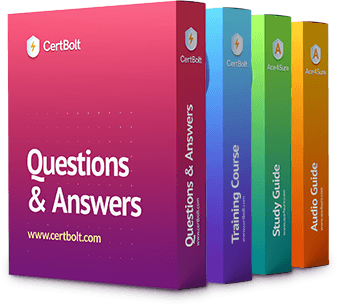
PMI-RMP Questions & Answers
560 Questions & Answers
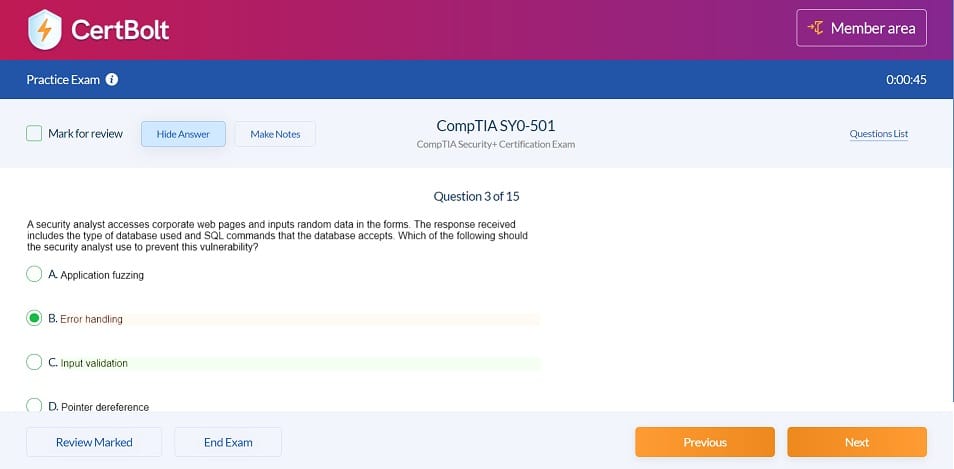
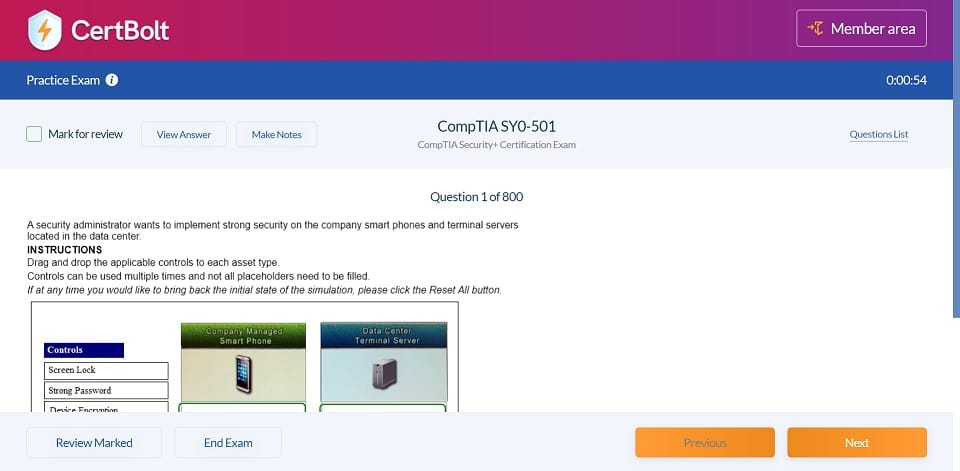
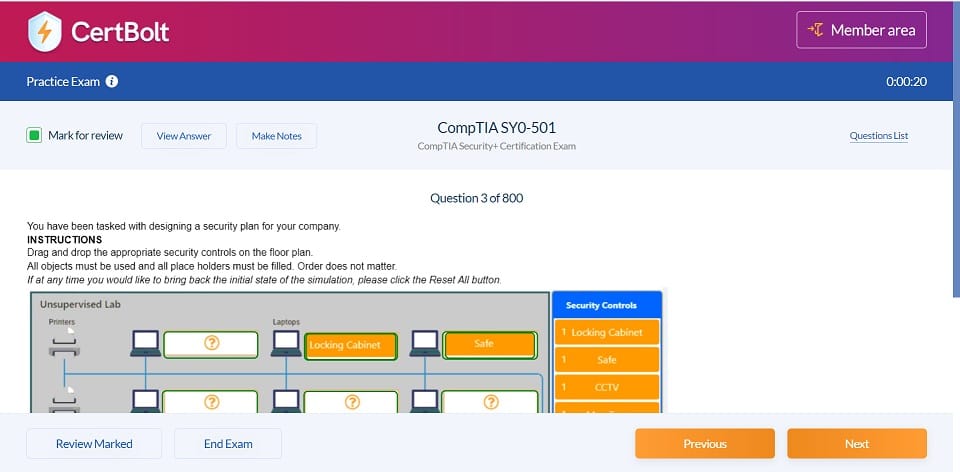
Includes 100% Updated PMI-RMP exam questions types found on exam such as drag and drop, simulation, type in, and fill in the blank. Fast updates, accurate answers for PMI PMI-RMP PMI-RMP exam. Exam Simulator Included!
-
PMI-RMP Online Training Course
153 Video Lectures
Learn from Top Industry Professionals who provide detailed video lectures based on 100% Latest Scenarios which you will encounter in exam.
-
PMI-RMP Study Guide
173 PDF Pages
Study Guide developed by industry experts who have written exams in the past. Covers in-depth knowledge which includes Entire Exam Blueprint.
-
-
PMI PMI-RMP Certification Practice Test Questions, PMI PMI-RMP Certification Exam Dumps
Latest PMI PMI-RMP Certification Practice Test Questions & Exam Dumps for Studying. Cram Your Way to Pass with 100% Accurate PMI PMI-RMP Certification Exam Dumps Questions & Answers. Verified By IT Experts for Providing the 100% Accurate PMI PMI-RMP Exam Dumps & PMI PMI-RMP Certification Practice Test Questions.
PMI-RMP Certification: Mastering Risk Management in Project Management
The Project Management Institute Risk Management Professional Certification, commonly known as PMI-RMP, is a distinguished credential designed to validate a professional’s expertise in project risk management. Risk is an inherent part of any project, regardless of industry, size, or complexity. While project managers focus on delivering projects on time, within budget, and according to scope, risks can disrupt even the most carefully planned projects. This certification emphasizes not only identifying potential threats but also seizing opportunities that can enhance project success. Professionals holding this certification demonstrate a high level of competency in assessing, analyzing, and mitigating project risks. By achieving PMI-RMP certification, individuals gain credibility in their organizations and industries, signaling to employers, colleagues, and stakeholders that they possess advanced skills in managing uncertainty in projects.
The Importance of Risk Management in Projects
Risk management is the systematic process of identifying, evaluating, and addressing potential issues that may affect project objectives. In contemporary project environments, risks can come from a variety of sources, including financial uncertainty, technological failures, resource constraints, regulatory changes, and market volatility. Effective risk management ensures that organizations are prepared to respond proactively rather than reactively. Without structured risk management practices, projects are prone to delays, cost overruns, scope creep, and, in extreme cases, failure. PMI-RMP certification emphasizes the importance of adopting a strategic approach to risk. Professionals learn to anticipate risks, evaluate their impact and probability, and develop actionable mitigation plans. This proactive approach not only minimizes negative impacts but also identifies opportunities to capitalize on favorable circumstances, improving overall project outcomes.
Key Competencies of a PMI-RMP Professional
A PMI-RMP professional possesses a unique set of skills that distinguish them from general project management practitioners. These competencies encompass risk strategy and planning, risk identification, qualitative and quantitative risk analysis, risk response planning, and risk monitoring and control. Individuals with this certification are adept at facilitating discussions with stakeholders to uncover hidden risks, applying analytical tools to assess risk severity, and integrating risk management plans into overall project plans. Risk management is both a science and an art, requiring a deep understanding of methodologies, statistical analysis, and organizational behavior. PMI-RMP professionals are trained to balance quantitative techniques such as Monte Carlo simulations and decision tree analysis with qualitative insights derived from experience and stakeholder input. This combination of skills allows certified professionals to navigate uncertainty effectively and guide projects toward successful completion.
Career Advantages of PMI-RMP Certification
Obtaining PMI-RMP certification provides numerous advantages in terms of career advancement and professional recognition. Employers increasingly recognize the value of individuals who can manage project risks effectively, especially in industries such as construction, information technology, finance, healthcare, and engineering. Certified professionals often qualify for higher-level roles, including project risk manager, senior project manager, program manager, and project portfolio manager. Additionally, PMI-RMP certification can result in higher earning potential. Data from industry surveys indicate that certified risk management professionals command salaries above those of non-certified counterparts, reflecting their expertise and strategic value to organizations. Beyond financial benefits, certification also enhances professional credibility. Being recognized as a risk management specialist signals to stakeholders that the individual can anticipate challenges, implement mitigation strategies, and ensure project objectives are met despite uncertainties.
Eligibility Criteria for PMI-RMP Certification
Before pursuing the PMI-RMP exam, candidates must meet specific eligibility criteria established by the Project Management Institute. These requirements are designed to ensure that individuals have both practical experience in project risk management and formal education in relevant topics. There are two primary paths to eligibility. The first path requires a secondary degree, which can include a high school diploma, associate degree, or global equivalent, along with a minimum of 36 months of project risk management experience within the last five years. Additionally, candidates must have completed 40 hours of formal project risk management education. The second path requires a four-year degree, such as a bachelor’s degree or global equivalent, with at least 24 months of project risk management experience in the previous five years and 30 hours of formal education in risk management. Meeting these criteria ensures that candidates possess both the knowledge and hands-on experience necessary to succeed in the exam and in professional risk management roles.
Structure of the PMI-RMP Exam
The PMI-RMP exam is designed to assess a candidate’s comprehensive knowledge of risk management principles and their application in real-world scenarios. The exam consists of 115 multiple-choice questions that cover five key domains: risk strategy and planning, stakeholder engagement, risk process facilitation, risk monitoring and reporting, and performing specialized risk analyses. Each domain emphasizes a different aspect of risk management, ensuring that candidates are tested on both theoretical knowledge and practical application. The exam duration is two and a half hours, during which candidates must answer scenario-based and knowledge-based questions. Scenario-based questions present realistic project situations where candidates must determine the best risk management approach, while knowledge-based questions test understanding of concepts, methodologies, and tools. Preparation for the exam requires focused study, familiarity with PMI’s risk management framework, and the ability to apply techniques in complex project environments.
Risk Strategy and Planning
The first domain of the PMI-RMP exam focuses on risk strategy and planning. Effective risk strategy begins with defining risk management objectives and aligning them with organizational goals. Certified professionals are trained to create comprehensive risk management plans that outline procedures for risk identification, analysis, response, and monitoring. Planning also involves defining risk thresholds, establishing risk appetite and tolerance levels, and determining the roles and responsibilities of project team members in managing risks. Risk strategy ensures that risks are addressed proactively, resources are allocated efficiently, and stakeholders are engaged appropriately. By developing robust risk plans, PMI-RMP professionals provide a roadmap for managing uncertainties throughout the project lifecycle, reducing the likelihood of negative impacts and increasing the chances of project success.
Stakeholder Engagement in Risk Management
Stakeholder engagement is a critical component of effective risk management. Projects often involve multiple stakeholders with varying interests, expectations, and influence over project outcomes. PMI-RMP professionals are trained to identify key stakeholders, assess their impact on project risk, and communicate risk-related information effectively. Engagement strategies include regular risk workshops, status meetings, and risk reporting mechanisms to ensure stakeholders are informed and involved in decision-making processes. By fostering collaboration and transparency, risk managers can gain insights into potential risks that may otherwise go unnoticed. Effective stakeholder engagement also helps in building trust, securing necessary support for risk mitigation actions, and ensuring that all parties are aligned with the project’s risk management objectives. This collaborative approach enhances the overall effectiveness of risk management efforts.
Risk Identification Techniques
Identifying risks is the foundation of the risk management process. PMI-RMP professionals employ a range of techniques to uncover potential threats and opportunities. These techniques include brainstorming sessions, expert interviews, historical data analysis, SWOT analysis, checklists, and risk breakdown structures. The goal is to develop a comprehensive risk register that documents all identified risks, their causes, potential impacts, and relevant stakeholders. Risk identification also involves recognizing interdependencies among risks, evaluating the likelihood of occurrence, and determining the potential severity of their impact on project objectives. By systematically identifying risks, PMI-RMP certified professionals create a proactive approach to managing uncertainties, enabling the project team to anticipate challenges and implement timely mitigation strategies.
Qualitative and Quantitative Risk Analysis
After risks are identified, they must be analyzed to determine their potential impact on the project. PMI-RMP professionals use both qualitative and quantitative methods to assess risks. Qualitative analysis involves prioritizing risks based on their probability of occurrence and potential impact, often using tools such as probability and impact matrices, risk categorization, and expert judgment. Quantitative analysis, on the other hand, uses numerical methods to estimate the effect of risks on project objectives. Techniques such as Monte Carlo simulations, decision tree analysis, sensitivity analysis, and expected monetary value calculations allow professionals to quantify the potential consequences of risks and evaluate the effectiveness of mitigation strategies. By applying these analyses, PMI-RMP certified individuals can make informed decisions and allocate resources efficiently to manage project uncertainties.
Risk Response Planning
Once risks are analyzed, the next step is developing appropriate response strategies. PMI-RMP professionals create risk response plans that outline specific actions to mitigate, transfer, accept, or exploit risks. Mitigation strategies aim to reduce the likelihood or impact of negative risks, while response plans for opportunities focus on maximizing potential benefits. Other strategies include risk avoidance, where certain project activities are altered to eliminate risks, and risk transfer, which shifts responsibility to a third party, such as through insurance or outsourcing. Effective response planning also involves defining triggers for action, assigning responsibilities, and allocating resources for implementing risk responses. By proactively planning responses, certified professionals ensure that the project is better prepared to handle uncertainties, reducing potential disruptions and enhancing the likelihood of project success.
Risk Monitoring and Reporting
Continuous monitoring and reporting of risks are essential to maintaining project control. PMI-RMP professionals are trained to establish monitoring mechanisms that track the status of identified risks, evaluate the effectiveness of mitigation actions, and identify new risks as they emerge. Regular reporting ensures that stakeholders are informed about risk trends, ongoing mitigation efforts, and any adjustments required to risk response plans. Tools such as risk audits, variance analysis, risk reassessment, and risk metrics help in maintaining visibility and accountability throughout the project lifecycle. Effective monitoring allows project teams to respond promptly to changing conditions, adapt risk strategies as needed, and maintain alignment with overall project objectives. By keeping risk management activities dynamic and transparent, certified professionals contribute to improved project performance and stakeholder confidence.
Specialized Risk Analysis Techniques
In addition to standard risk analysis methods, PMI-RMP certified professionals are proficient in specialized techniques that address complex and high-impact risks. These techniques include scenario analysis, simulation models, sensitivity analysis, and decision tree approaches, which enable professionals to evaluate multiple outcomes and potential consequences under varying conditions. Specialized analysis helps in understanding interdependencies, estimating the financial implications of risks, and prioritizing risk responses based on quantitative insights. Mastery of these advanced techniques allows PMI-RMP holders to handle high-stakes projects, manage uncertainty with precision, and provide actionable recommendations for decision-makers. These skills are especially valuable in projects with high complexity, significant financial investments, or regulatory implications.
Ethical Considerations in Risk Management
Ethics play a critical role in project risk management. PMI-RMP professionals are expected to adhere to high standards of integrity, transparency, and accountability when managing project risks. Ethical considerations include accurate reporting of risks, avoidance of conflicts of interest, responsible decision-making, and safeguarding stakeholder interests. Professionals must ensure that risk assessments are unbiased, data-driven, and free from manipulation to present a true picture of potential threats and opportunities. Upholding ethical standards fosters trust among stakeholders, enhances professional credibility, and supports sustainable project outcomes. PMI emphasizes the integration of ethical practices throughout the risk management process, reinforcing the importance of responsible risk management in achieving project success.
Advanced Understanding of PMI-RMP Certification
The PMI-RMP certification is not just a credential that adds value to a resume; it is a symbol of mastery in the field of risk management. It demonstrates an individual’s capability to foresee potential threats and capitalize on opportunities that can shape the future of a project. In the advanced stages of project management, professionals must navigate complex environments where uncertainty is constant and outcomes are influenced by rapidly changing conditions. PMI-RMP certified professionals are equipped to handle these challenges through structured methodologies, practical experience, and analytical insight. This certification helps organizations ensure that their projects remain stable and resilient in unpredictable circumstances. Understanding the advanced aspects of PMI-RMP certification requires exploring the deeper layers of risk strategy, stakeholder management, and performance monitoring that shape successful project outcomes.
Evolution of Risk Management as a Discipline
Risk management has evolved significantly over the past few decades. What began as an informal process of identifying potential problems has transformed into a structured discipline supported by globally recognized frameworks and methodologies. Early project management practices focused primarily on planning, scheduling, and cost control, with little attention to the uncertainties that could derail a project. As industries became more competitive and projects more complex, organizations began to realize that anticipating and managing risks was not optional but essential. This shift led to the development of formal risk management processes and the emergence of professional certifications like the PMI-RMP. Today, risk management is an integral component of strategic planning, enabling organizations to make informed decisions, protect investments, and enhance project success rates. The PMI-RMP certification reflects this evolution by equipping professionals with the skills and knowledge to address both traditional and emerging risks effectively.
Integrating Risk Management into Project Planning
One of the fundamental principles of PMI-RMP is the integration of risk management into every stage of the project lifecycle. Rather than treating risk as a separate function, certified professionals embed risk thinking into project planning, execution, monitoring, and closure. This integration begins with the development of the project charter and continues through detailed planning, where risk identification and assessment influence scope definition, schedule development, and cost estimation. Incorporating risk analysis into project planning ensures that uncertainties are accounted for in resource allocation, timelines, and stakeholder communication plans. A well-integrated risk management approach allows project teams to anticipate potential deviations and establish contingency reserves, reducing the likelihood of surprises. PMI-RMP professionals are trained to ensure that risk considerations become a routine part of decision-making, fostering a culture of proactive management across all project levels.
Building a Risk-Aware Organizational Culture
Creating a culture that values risk awareness is a cornerstone of effective risk management. PMI-RMP certified professionals play a critical role in fostering this culture by encouraging transparency, open communication, and shared responsibility. In many organizations, risk management fails not because of inadequate processes but because of resistance to acknowledging uncertainties. A risk-aware culture emphasizes that identifying risks is not a sign of weakness but a demonstration of strength and preparedness. To cultivate this mindset, risk managers must engage leadership, educate teams, and integrate risk discussions into routine project meetings. Encouraging employees to report potential issues early and without fear of blame helps organizations respond more effectively to challenges. By promoting collaboration and accountability, PMI-RMP professionals help organizations evolve from reactive problem-solving to proactive risk mitigation, ultimately improving project outcomes and business resilience.
The Role of Leadership in Risk Management
Leadership plays a decisive role in the success of any risk management program. Senior management sets the tone for how risk is perceived, prioritized, and addressed within an organization. PMI-RMP certified professionals understand that leadership commitment is essential to establishing robust risk frameworks and ensuring consistent implementation across projects. Leaders must demonstrate active involvement in risk management activities, allocate resources for mitigation strategies, and provide guidance during high-risk decision-making processes. Effective leaders not only support risk management initiatives but also integrate them into the organization’s strategic objectives. They recognize that risk management is not about avoiding risks altogether but about making informed choices that balance potential rewards and consequences. Through effective leadership engagement, PMI-RMP professionals ensure that risk management becomes a core element of organizational governance and performance improvement.
Tools and Techniques Used in PMI-RMP Practices
PMI-RMP professionals rely on a diverse set of tools and techniques to identify, analyze, and control project risks. These tools range from simple qualitative methods to advanced quantitative models. Common qualitative techniques include risk workshops, brainstorming sessions, interviews, and Delphi analysis, which involve gathering expert opinions to reach a consensus on potential risks. Quantitative methods, on the other hand, rely on numerical data and statistical analysis to assess the probability and impact of risks. Tools such as Monte Carlo simulations, decision trees, fault tree analysis, and sensitivity analysis help quantify uncertainties and determine their influence on project objectives. Additionally, software applications like risk registers, probability matrices, and specialized risk management platforms streamline documentation and reporting. By mastering these tools, PMI-RMP certified professionals enhance their analytical capabilities and improve their ability to make informed, evidence-based decisions in complex project environments.
Managing Uncertainty in Complex Projects
Complex projects are inherently uncertain due to their scale, interdependencies, and dynamic environments. Managing uncertainty requires more than identifying risks; it demands an understanding of how multiple factors interact to influence project outcomes. PMI-RMP professionals approach uncertainty through both predictive and adaptive strategies. Predictive strategies involve forecasting potential risks based on historical data and experience, while adaptive strategies focus on developing flexible processes that can respond to changing conditions. Managing uncertainty also involves distinguishing between known risks, which can be analyzed and planned for, and unknown risks, which require contingency reserves and adaptive management practices. PMI-RMP certified individuals use structured frameworks to navigate this complexity, ensuring that projects remain on track despite volatile conditions. Their ability to analyze uncertainties systematically makes them invaluable assets in industries where projects face high variability and unpredictable external influences.
The Interrelationship Between Risk and Opportunity
A critical insight taught in PMI-RMP training is that risk is not inherently negative. While risks are often associated with threats, they also encompass opportunities that, if managed well, can lead to positive outcomes. Effective risk management involves balancing the mitigation of threats with the pursuit of opportunities. PMI-RMP professionals learn to identify situations where uncertainty can create potential advantages, such as early completion of project milestones, cost savings from innovative methods, or improved stakeholder relationships through proactive engagement. Opportunity management involves the same processes as threat management: identification, analysis, response planning, and monitoring. By recognizing and exploiting opportunities, organizations can enhance value creation and competitive advantage. This dual perspective distinguishes PMI-RMP professionals as strategic thinkers who view uncertainty not just as a danger to be avoided but as a catalyst for innovation and improvement.
Communication and Risk Transparency
Communication is one of the most powerful tools in risk management. Transparent communication ensures that all stakeholders have access to accurate, timely, and relevant information about project risks. PMI-RMP professionals are trained to design and implement communication plans that promote openness and clarity. These plans define who needs to know what, how information will be shared, and at what frequency. Regular updates, status reports, and risk review meetings keep everyone informed about the evolving risk landscape. Transparency also fosters trust among stakeholders, which is crucial for gaining support for risk response measures. By communicating risks effectively, project managers prevent misinformation, reduce anxiety, and align stakeholders toward common objectives. PMI-RMP certification emphasizes that risk communication should not be limited to reporting negative outcomes but should also highlight lessons learned, successful mitigations, and positive opportunities that contribute to project growth.
Human Factors in Risk Management
Human behavior plays a significant role in how risks are perceived and managed. Cognitive biases, organizational politics, and individual risk tolerance levels can all influence decision-making processes. PMI-RMP professionals are trained to recognize and address these human factors to ensure objective and effective risk management. Common biases such as overconfidence, anchoring, and confirmation bias can distort risk assessments and lead to poor decisions. To mitigate these biases, professionals use structured methods such as data validation, peer reviews, and scenario-based discussions. Additionally, understanding the psychological aspects of risk perception helps in tailoring communication strategies that resonate with diverse stakeholders. Managing human factors also involves fostering collaboration, promoting team awareness, and creating an environment where open discussion of risks is encouraged. By addressing the human dimension of risk, PMI-RMP certified individuals ensure that decisions are grounded in evidence and collective wisdom rather than individual assumptions.
Risk Governance and Organizational Alignment
Risk governance defines the policies, structures, and processes that guide how risk is managed across an organization. PMI-RMP professionals contribute to establishing governance frameworks that align risk management activities with organizational objectives. Effective governance ensures consistency, accountability, and transparency in handling project uncertainties. It also clarifies roles and responsibilities, ensuring that decision-making authority is appropriately distributed among stakeholders. PMI-RMP certified professionals often work with executives and project management offices to design governance models that integrate risk management into strategic planning, budgeting, and performance evaluation. This alignment allows organizations to manage risks not just at the project level but across portfolios and programs. By embedding risk governance into corporate structures, PMI-RMP professionals help organizations achieve greater resilience and long-term sustainability.
Risk Documentation and Reporting Standards
Proper documentation is the backbone of effective risk management. PMI-RMP professionals maintain detailed risk registers that record identified risks, their assessments, mitigation plans, and monitoring activities. Standardized documentation ensures continuity, especially in long-term projects where team members may change over time. Reporting standards help communicate risk status consistently and clearly to different audiences, from project teams to senior executives. Reports may include dashboards, heat maps, trend analyses, and key performance indicators that track the evolution of risks. Maintaining accurate documentation also supports audits, lessons learned, and compliance with regulatory requirements. PMI-RMP certified individuals ensure that risk documentation is not a mere formality but a living repository that informs decision-making and promotes continuous improvement in future projects.
The Role of Technology in Modern Risk Management
Technology has transformed how risks are identified, analyzed, and managed. PMI-RMP professionals leverage digital tools and platforms to enhance accuracy, efficiency, and collaboration in risk management processes. Modern risk management software provides automated risk tracking, real-time reporting, and advanced analytics capabilities that support data-driven decision-making. Artificial intelligence and machine learning algorithms are increasingly used to predict potential risks based on patterns from historical project data. Cloud-based systems allow distributed teams to collaborate seamlessly, sharing updates and insights in real time. PMI-RMP certified professionals understand the importance of selecting appropriate technologies that align with organizational needs and project complexity. By integrating technology into their workflows, they not only streamline risk management but also enhance overall project agility and responsiveness in fast-changing business environments.
Continuous Improvement in Risk Management Practices
Continuous improvement is a central principle of PMI-RMP methodology. Effective risk management is not static; it evolves with every project and every experience. PMI-RMP professionals actively engage in lessons-learned sessions to analyze what worked well and what could be improved in managing project risks. These insights are then incorporated into future projects to strengthen risk management frameworks. Continuous improvement also involves staying updated with industry standards, emerging tools, and evolving methodologies. Participation in professional networks, training programs, and knowledge-sharing platforms helps certified individuals maintain their competence and relevance. By embracing a mindset of lifelong learning and improvement, PMI-RMP professionals ensure that their organizations remain adaptive and prepared to handle new challenges in an ever-changing risk landscape.
Preparing Strategically for the PMI-RMP Certification
Achieving the PMI-RMP certification requires a disciplined approach to preparation, combining conceptual understanding with practical application. The exam is not designed to test rote memorization but to assess how well candidates can apply risk management principles in real project environments. Successful preparation begins with understanding the exam content outline, which defines the domains, tasks, and knowledge areas that the test covers. Candidates should evaluate their current level of experience and identify areas where additional study or practice is required. Creating a structured study plan that includes reading, practice questions, simulation exams, and group discussions can significantly enhance learning outcomes. Time management is essential, as the scope of material is broad and the concepts interrelated. By adopting a systematic approach and following a well-defined study plan, candidates can develop the confidence and competence needed to pass the exam and excel in professional risk management roles.
Understanding the PMI-RMP Exam Structure and Domains
The PMI-RMP examination assesses a candidate’s proficiency across multiple domains that encompass the full spectrum of risk management practices. These domains include risk strategy and planning, stakeholder engagement, risk process facilitation, risk monitoring and reporting, and performing specialized risk analyses. Each domain represents a critical area of expertise required to manage project risks effectively. Risk strategy and planning account for the development of frameworks and policies that define how risk will be addressed in a project. Stakeholder engagement focuses on communication and collaboration with those who influence or are affected by project risks. Risk process facilitation emphasizes the methods used to identify, analyze, and respond to risks. Monitoring and reporting involve tracking ongoing risks and ensuring transparency, while specialized analysis deals with advanced quantitative and modeling techniques. Understanding the weight of each domain allows candidates to prioritize their study efforts accordingly, ensuring balanced preparation for all areas of the exam.
Building a Personalized Study Plan
Creating a personalized study plan is one of the most effective ways to prepare for the PMI-RMP certification. A structured plan ensures that study sessions are productive and aligned with exam objectives. Candidates should start by reviewing the official PMI exam content outline and comparing it to their current knowledge and experience. This self-assessment helps identify strengths and weaknesses, guiding the allocation of study time. The plan should include specific goals for each week, such as completing a certain number of chapters, practicing sample questions, or reviewing key formulas. Allocating consistent study time each day, rather than relying on last-minute cramming, enhances long-term retention. Additionally, including short review sessions helps reinforce previously learned concepts. Incorporating diverse learning methods—such as reading textbooks, watching video lectures, and participating in online forums—ensures a comprehensive understanding of the material. Flexibility is important, allowing adjustments as needed based on progress and confidence levels.
Recommended Study Resources for PMI-RMP Candidates
Selecting the right study materials is critical to effective exam preparation. The most authoritative resource is the PMI-RMP Exam Content Outline, which details the knowledge areas and tasks tested in the exam. Additionally, candidates should study the Project Management Institute’s standards and guides related to risk management, including the Practice Standard for Project Risk Management and the Project Management Body of Knowledge. Supplementary books written by experienced PMI-RMP professionals provide practical insights and case studies that help bridge theory and practice. Online courses offered by PMI-authorized training partners are also valuable, providing structured instruction, interactive exercises, and access to expert mentors. Practice exams and question banks simulate the actual test environment, allowing candidates to gauge their readiness and improve their test-taking skills. Using a combination of official and third-party resources ensures well-rounded preparation and exposure to different perspectives on risk management.
The Role of Mock Exams in Exam Readiness
Mock exams play an indispensable role in preparing for the PMI-RMP certification. They replicate the structure, timing, and difficulty level of the actual test, enabling candidates to assess their readiness under realistic conditions. Regularly taking mock exams helps improve time management, reduce anxiety, and identify weak areas that require additional focus. Analyzing performance after each mock test provides valuable insights into patterns of mistakes, knowledge gaps, and question interpretation challenges. Beyond assessing knowledge, mock exams train candidates to think critically and apply concepts to situational questions, which are common in the PMI-RMP exam. Setting a schedule for multiple mock tests throughout the study period ensures continuous improvement. Ideally, candidates should aim to achieve consistent scores above the passing threshold before scheduling the actual exam. Integrating mock exams into the study plan enhances both confidence and competence.
Importance of Practical Experience in Risk Management
While theoretical knowledge forms the foundation of the PMI-RMP exam, practical experience is equally vital. The certification is designed for professionals who have hands-on exposure to project risk management. Experience provides context for understanding abstract concepts and applying them effectively. Candidates with project experience can relate exam scenarios to real-life situations, making it easier to select appropriate risk responses and strategies. Working on projects that involve risk assessment, mitigation planning, and monitoring strengthens the candidate’s understanding of core principles. It also enhances the ability to interpret complex case-based questions, which are a significant component of the PMI-RMP exam. To gain practical experience, candidates can participate in organizational risk reviews, contribute to risk registers, or support project managers in conducting risk workshops. Such involvement not only prepares candidates for the exam but also builds professional expertise that remains valuable throughout their careers.
Developing Analytical and Critical Thinking Skills
Analytical and critical thinking are essential competencies for any PMI-RMP aspirant. The exam often presents complex scenarios where multiple risks interact, requiring candidates to analyze data, evaluate options, and make informed decisions. Developing these skills involves practicing data interpretation, trend analysis, and cause-effect reasoning. Analytical skills can be improved by studying real project case studies and performing risk quantification exercises using statistical techniques. Critical thinking can be cultivated through reflective learning—examining why certain risk responses succeed or fail under different conditions. Engaging in group discussions or study groups also enhances analytical ability, as candidates are exposed to diverse perspectives and problem-solving approaches. The ability to think systematically and logically is not only essential for passing the exam but also for performing effectively as a risk management professional in dynamic project environments.
Time Management During the Exam
Managing time efficiently during the PMI-RMP exam is critical for success. The test consists of 115 multiple-choice questions to be completed within two and a half hours, which means candidates must maintain a steady pace. A recommended strategy is to allocate an average of one minute per question, reserving additional time at the end for review. Candidates should begin with questions they can answer quickly to build momentum and confidence. More complex or uncertain questions can be flagged and revisited later. It is important not to spend excessive time on any single question, as this can reduce the time available for others. Practicing under timed conditions before the exam helps improve pacing and reduces stress. Efficient time management ensures that candidates have enough time to review marked questions and verify their answers before submission, increasing the likelihood of achieving a passing score.
Managing Exam Anxiety and Building Confidence
Exam anxiety is a common challenge faced by candidates preparing for the PMI-RMP certification. The pressure of high expectations, coupled with the comprehensive nature of the exam, can create stress that affects performance. Managing anxiety requires both mental and physical preparation. Regular study habits, adequate rest, and healthy routines contribute to better concentration and emotional stability. Techniques such as deep breathing, visualization, and positive affirmations help calm the mind before and during the exam. Confidence is built through consistent practice, understanding the material thoroughly, and achieving steady progress in mock tests. It is essential to maintain a balanced perspective—viewing the exam not as a threat but as an opportunity to validate professional competence. Approaching the test with preparation and self-assurance ensures a clearer mind and improved decision-making during the actual examination.
Common Mistakes to Avoid During Preparation
Many candidates make avoidable mistakes during their PMI-RMP preparation, which can hinder success. One common error is underestimating the depth of the exam and relying solely on superficial understanding rather than mastering the underlying concepts. Others neglect time management, leading to rushed or incomplete study sessions. Some candidates overemphasize memorization instead of focusing on application, which is crucial for situational questions. Ignoring mock exams or failing to review incorrect answers can also prevent meaningful improvement. Another mistake is overlooking the importance of rest and balance, leading to burnout before the exam. To avoid these pitfalls, candidates should adopt a disciplined, structured, and holistic approach to preparation. Regular self-assessment, realistic scheduling, and a focus on understanding rather than memorizing are key to sustained progress and eventual success.
The Importance of Ethical Considerations in Exam Conduct
Ethical conduct is a core expectation in all PMI certifications, including the PMI-RMP. Candidates must adhere to integrity, honesty, and fairness during the certification process. Cheating, misrepresentation, or using unauthorized materials violates PMI’s Code of Ethics and can result in disqualification. Beyond exam behavior, ethical principles extend into professional practice. PMI-RMP certified individuals are expected to manage risks transparently, protect confidential information, and make decisions in the best interest of their organizations and stakeholders. Understanding and applying ethical standards strengthens professional credibility and trust. During preparation, maintaining honesty about one’s progress and limitations fosters genuine learning. Upholding ethical conduct ensures that certification is earned through merit and reflects true competence in risk management.
Applying PMI-RMP Principles to Real Projects
One of the most valuable aspects of preparing for the PMI-RMP exam is the ability to apply learned principles to real-world projects. Candidates can enhance their understanding by implementing risk management processes in ongoing work. This involves identifying potential risks, assessing their likelihood and impact, developing mitigation strategies, and monitoring their effectiveness over time. Applying PMI-RMP methodologies in practice helps bridge the gap between theory and execution. It also builds a portfolio of experience that reinforces learning and prepares candidates for exam questions rooted in realistic scenarios. Documenting lessons learned during this process provides insights for continuous improvement. Integrating exam preparation with professional responsibilities ensures that knowledge gained is both practical and immediately applicable.
Leveraging Study Groups and Peer Learning
Collaborative learning through study groups can significantly improve exam preparation. Engaging with peers allows candidates to exchange ideas, clarify doubts, and explore different perspectives on complex topics. Study groups foster accountability, motivating members to stay consistent with their study schedules. Group discussions encourage critical thinking, as members must articulate and defend their understanding of risk management concepts. This process enhances retention and comprehension. Online forums and social media communities dedicated to PMI-RMP candidates also provide valuable insights, resource sharing, and moral support. However, it is important to maintain focus and ensure that discussions remain aligned with the official exam content. Leveraging peer learning builds a sense of community and helps candidates approach the exam with greater confidence and shared knowledge.
The Mindset of a PMI-RMP Professional
Preparing for the PMI-RMP certification is not only an academic pursuit but also a transformation in mindset. Successful candidates develop a proactive, analytical, and strategic approach to dealing with uncertainty. This mindset extends beyond the exam into professional practice, shaping how individuals perceive challenges and opportunities. A PMI-RMP professional views risks not as obstacles but as variables that can be managed to achieve project success. The journey of preparation cultivates discipline, attention to detail, and problem-solving abilities that enhance overall career performance. Developing the mindset of a PMI-RMP professional involves embracing continuous learning, ethical responsibility, and leadership in risk management practices. It is this combination of knowledge, skills, and attitude that distinguishes certified professionals in the global project management community.
Implementing PMI-RMP Principles in Real-World Projects
Implementing PMI-RMP principles in real-world projects transforms risk management from a theoretical exercise into a practical discipline that drives measurable results. While the PMI-RMP certification focuses on methodologies and frameworks, true expertise is demonstrated in the ability to apply these principles effectively within diverse project environments. Every project, regardless of industry or scale, encounters risks that can impact objectives, timelines, costs, and quality. Certified professionals play a vital role in ensuring that organizations approach these uncertainties systematically. Implementation begins with integrating risk management into the organizational culture and project lifecycle. PMI-RMP professionals assess the context of each project, identify potential threats and opportunities, and develop strategies that align with business objectives. Their approach ensures that risk management is not a one-time activity but an ongoing process that supports decision-making and enhances project success.
Establishing a Risk Management Framework
A robust risk management framework provides the foundation for applying PMI-RMP principles in projects. This framework outlines the processes, tools, and responsibilities for managing risks consistently across all project phases. The framework begins with defining risk objectives that align with organizational goals and extends to establishing standardized procedures for risk identification, assessment, response, and monitoring. PMI-RMP certified professionals are skilled in designing and implementing these frameworks, ensuring they are tailored to organizational maturity, project complexity, and stakeholder expectations. The framework also includes templates for risk registers, communication plans, and performance metrics that enable transparency and accountability. When implemented effectively, a risk management framework promotes consistency, improves resource utilization, and enhances the organization’s ability to anticipate and respond to change. It becomes a reference point for all project teams, ensuring that risk management is embedded in the organization’s project management practices.
Integrating Risk Management with Project Governance
Project governance defines the structure and processes through which organizations oversee and control project execution. Integrating risk management with governance ensures that decision-making is informed by a clear understanding of uncertainties. PMI-RMP professionals collaborate with executives, project sponsors, and steering committees to align risk management practices with governance frameworks. This alignment ensures that risks are not managed in isolation but considered as part of broader organizational strategy. Risk information is regularly reported to governance bodies, enabling them to make timely and informed decisions. Integrating risk management into governance also ensures that accountability is distributed appropriately, with clear roles assigned to project managers, team members, and risk owners. Through this alignment, organizations create a governance ecosystem that emphasizes proactive risk oversight, strategic foresight, and organizational agility.
Industry Applications of PMI-RMP Practices
The application of PMI-RMP principles spans multiple industries, each with unique risk profiles and management needs. In construction, risk management focuses on safety, regulatory compliance, and schedule reliability. Certified professionals assess potential issues such as material delays, labor shortages, and environmental impacts. In information technology, risk management emphasizes cybersecurity, system integration, and data integrity. PMI-RMP certified individuals help organizations anticipate technical challenges, allocate resources for contingencies, and manage vendor risks. In the finance sector, risk management ensures compliance with regulatory requirements, market stability, and portfolio performance. Healthcare projects rely on risk management to ensure patient safety, operational continuity, and adherence to quality standards. Across all industries, PMI-RMP professionals adapt the same core principles to specific contexts, ensuring that risks are identified early, analyzed accurately, and managed effectively. Their adaptability enables organizations to maintain resilience across diverse environments.
Developing a Risk Register for Effective Control
The risk register is a fundamental tool in risk management and one of the most practical instruments PMI-RMP professionals use. It serves as a centralized document that captures all identified risks, their causes, potential impacts, probability of occurrence, and assigned mitigation strategies. Developing a risk register requires collaboration among project teams, stakeholders, and subject matter experts. Each risk is categorized according to its nature, such as technical, financial, environmental, or organizational. The risk register also includes prioritization based on qualitative or quantitative analysis, ensuring that attention is focused on the most critical risks. Updating the risk register is an ongoing process that continues throughout the project lifecycle. As new risks emerge or existing ones evolve, the register is revised to reflect current realities. Maintaining an accurate and comprehensive risk register enables project managers to make data-driven decisions, monitor trends, and ensure that risk responses are executed effectively.
Quantitative Risk Analysis in Real Projects
Quantitative risk analysis provides numerical insights into how risks can impact project objectives such as cost and schedule. PMI-RMP certified professionals use tools like Monte Carlo simulations, decision tree analysis, and sensitivity analysis to evaluate the potential outcomes of different risk scenarios. For instance, in a construction project, a Monte Carlo simulation may be used to determine the probability of completing the project within budget by running thousands of iterations based on various risk factors. In information technology projects, decision tree analysis can help determine whether to pursue a specific technology investment given the associated uncertainties. Quantitative analysis converts qualitative assessments into measurable outcomes, enabling more precise planning and resource allocation. The results of these analyses often feed into project baselines and contingency plans, ensuring that project teams are better prepared to manage both expected and unexpected events. The ability to interpret and apply quantitative results effectively is a key skill of PMI-RMP professionals.
Managing Stakeholder Expectations Through Risk Communication
Clear and consistent communication is essential for managing stakeholder expectations in risk management. Stakeholders include anyone who influences or is affected by project outcomes, such as clients, sponsors, team members, regulators, and suppliers. PMI-RMP certified professionals develop communication plans that specify how risk information will be shared, the frequency of updates, and the channels used for dissemination. They ensure that communication is tailored to different stakeholder groups, providing technical details for project teams and strategic summaries for executives. Regular updates on risk status, mitigation efforts, and emerging threats build trust and transparency. Effective communication also involves active listening to understand stakeholder concerns and incorporating their input into risk assessments. By maintaining open communication, PMI-RMP professionals reduce misunderstandings, align expectations, and foster collaboration, all of which contribute to better project performance and stakeholder satisfaction.
Implementing Risk Response Strategies
Once risks are identified and analyzed, PMI-RMP professionals implement response strategies to address them. The choice of strategy depends on the nature and severity of the risk. Common strategies include mitigation, transfer, avoidance, acceptance, and exploitation. Mitigation reduces the likelihood or impact of a risk through preventive measures, while transfer shifts responsibility to another party, such as through insurance or outsourcing. Avoidance involves modifying project plans to eliminate the risk entirely. Acceptance means acknowledging the risk and preparing contingency plans to manage its effects if it occurs. For opportunities, exploitation ensures that positive risks are pursued to maximize benefits. Implementing these strategies requires careful coordination among team members, allocation of resources, and continuous monitoring to assess effectiveness. PMI-RMP professionals ensure that response plans are practical, measurable, and aligned with project objectives, providing a structured approach to uncertainty management.
Monitoring Risks Throughout the Project Lifecycle
Monitoring risks is not a one-time activity but a continuous process that extends across all phases of the project. PMI-RMP professionals establish mechanisms for tracking identified risks, detecting new ones, and evaluating the performance of mitigation actions. Regular risk review meetings provide opportunities to assess whether existing strategies remain effective or need adjustment. Key performance indicators, such as risk exposure levels and mitigation progress, are used to measure performance. Visual tools like risk heat maps and dashboards help communicate risk trends to stakeholders in an easily understandable format. Monitoring also involves reassessing risk probability and impact as project conditions change. For example, a risk that was initially considered low may become critical due to shifts in market conditions or project scope. Continuous monitoring ensures that risk management remains relevant and responsive to evolving circumstances, contributing to sustained project control.
Applying PMI-RMP Principles in Agile Environments
As more organizations adopt agile methodologies, PMI-RMP professionals must adapt traditional risk management practices to fast-paced and iterative frameworks. In agile environments, risk management is integrated into daily activities rather than treated as a separate phase. PMI-RMP certified individuals facilitate risk identification during sprint planning sessions and daily stand-up meetings. They ensure that risks are documented, prioritized, and addressed within each iteration. Agile projects benefit from continuous feedback loops that allow teams to respond quickly to emerging risks. Risk burndown charts and sprint retrospectives are commonly used to track progress and identify improvement areas. While agile emphasizes flexibility, structured risk management ensures that rapid changes do not compromise project stability. PMI-RMP professionals balance the adaptability of agile with the discipline of formal risk management, creating a hybrid approach that enhances both speed and control in project execution.
Case Studies in Risk Management Implementation
Real-world case studies provide valuable insights into how PMI-RMP principles are applied in diverse projects. In a large-scale infrastructure project, for example, risk management played a crucial role in minimizing delays caused by weather disruptions and regulatory changes. The project team implemented a detailed risk register, conducted quantitative analyses, and developed contingency plans for material shortages. As a result, the project achieved significant cost savings and maintained schedule integrity. In an information technology deployment, risk management was essential for handling integration challenges between legacy systems and new platforms. Regular risk reviews and stakeholder engagement ensured timely resolution of issues, leading to a successful system rollout. In healthcare, risk management has been used to improve patient safety by identifying process failures and implementing preventive controls. These examples illustrate how PMI-RMP professionals apply structured methodologies to solve real problems and deliver consistent value across industries.
Leveraging Technology and Automation for Risk Management
Technology plays a transformative role in modern risk management practices. PMI-RMP certified professionals use specialized software to automate data collection, analysis, and reporting. Tools such as predictive analytics platforms and artificial intelligence algorithms can detect early warning signs of potential risks by analyzing historical and real-time project data. Automated alerts notify project managers of deviations from expected performance indicators, enabling prompt corrective action. Cloud-based solutions facilitate collaboration across geographically dispersed teams, ensuring that risk information is accessible and updated in real time. Data visualization tools enhance understanding by presenting complex risk data in intuitive formats such as dashboards and charts. By leveraging technology, PMI-RMP professionals not only improve efficiency but also enhance accuracy and agility in managing risks. The integration of digital tools into risk management practices represents a significant advancement in achieving project excellence.
Measuring the Success of Risk Management Implementation
The effectiveness of risk management can be measured using both quantitative and qualitative indicators. PMI-RMP professionals establish key performance metrics that assess the success of mitigation strategies, the accuracy of risk forecasts, and the overall reduction in project volatility. Metrics may include the percentage of risks mitigated, the variance between estimated and actual costs, and the number of risk-related issues resolved proactively. Qualitative assessments, such as stakeholder feedback and team satisfaction, provide insights into the cultural and behavioral aspects of risk management. Regular evaluation of these metrics enables organizations to refine their approaches and achieve continuous improvement. PMI-RMP professionals emphasize that successful risk management is not measured solely by the absence of problems but by the organization’s ability to anticipate, adapt, and recover from challenges efficiently. These measurement practices create a feedback loop that strengthens future project planning and execution.
Continuous Learning and Professional Development
Implementing PMI-RMP principles effectively requires ongoing learning and adaptation. The field of risk management evolves as new technologies, regulations, and methodologies emerge. PMI-RMP certified professionals are expected to engage in continuous professional development to stay current with these changes. Participating in workshops, attending conferences, and earning professional development units ensures that knowledge remains relevant and skills remain sharp. Continuous learning also involves studying emerging risks, such as cybersecurity threats, climate change impacts, and global supply chain disruptions. By staying informed, professionals can anticipate trends that may influence their projects and organizations. Lifelong learning reinforces the value of PMI-RMP certification and demonstrates commitment to excellence in managing uncertainty.
The Global Significance of PMI-RMP Certification
In today’s interconnected world, project risks are more complex, diverse, and far-reaching than ever before. Globalization, technological advancement, and changing regulatory landscapes have amplified the need for structured risk management practices. The PMI-RMP certification stands as a globally recognized credential that validates a professional’s ability to manage these uncertainties with precision and foresight. Organizations around the world are facing volatile market conditions, geopolitical instability, and emerging risks such as cybersecurity threats and supply chain disruptions. As a result, demand for certified risk management professionals has risen steadily across industries and regions. The global recognition of PMI-RMP signifies that certified individuals possess a consistent understanding of international standards, frameworks, and ethical guidelines for risk management. This credential transcends national boundaries and provides professionals with the ability to work effectively in multicultural and multinational environments. It also strengthens an organization’s credibility when competing for global contracts, as clients often prefer teams that include certified experts in risk management.
Risk Leadership in a Dynamic World
Leadership in risk management goes beyond technical knowledge; it requires the ability to guide teams through uncertainty and inspire confidence among stakeholders. PMI-RMP professionals are not only risk analysts but also risk leaders. They understand that leadership in this field involves influencing decision-making, fostering collaboration, and maintaining composure during crises. In modern organizations, risk leaders act as strategic advisors who provide insight into how uncertainties can shape business outcomes. They translate complex risk data into actionable intelligence for executives and stakeholders. Effective risk leadership is characterized by transparency, resilience, and adaptability. A certified professional must lead by example, demonstrating ethical judgment and a proactive attitude toward challenges. As organizations navigate rapid technological transformation and global competition, PMI-RMP-certified professionals serve as trusted leaders who bridge the gap between strategic vision and operational execution. Their role extends from identifying potential threats to cultivating a risk-aware culture that empowers teams to make informed decisions.
Building Organizational Resilience
Resilience is the capacity of an organization to absorb shocks, adapt to change, and continue to achieve its objectives despite adversity. PMI-RMP professionals play a central role in building this resilience by implementing structured risk management systems that prepare organizations for uncertainty. Resilience involves anticipating disruptions before they occur, establishing contingency plans, and ensuring the continuity of critical operations. Whether dealing with natural disasters, market fluctuations, or technological failures, resilient organizations can recover faster and maintain stakeholder trust. PMI-RMP-certified experts use tools such as scenario planning and business impact analysis to assess vulnerabilities and develop adaptive strategies. They ensure that risk management is not confined to individual projects but integrated into organizational strategy and culture. The result is a forward-thinking organization capable of navigating complexity with agility and confidence. Resilience also requires continuous improvement—regularly reviewing performance, updating risk registers, and incorporating lessons learned into future projects. Through these practices, PMI-RMP professionals help organizations evolve and remain competitive in an unpredictable environment.
The Role of PMI-RMP in Strategic Decision-Making
Modern organizations recognize that risk management is not merely a defensive function but a vital component of strategic decision-making. PMI-RMP-certified professionals contribute to strategy formulation by providing data-driven insights that balance risk and reward. They collaborate with executives to evaluate potential investments, assess mergers and acquisitions, and guide innovation initiatives. Their ability to quantify risks and model different outcomes allows leadership teams to make informed choices with greater confidence. Strategic risk management helps organizations identify opportunities that align with their goals while minimizing exposure to threats. PMI-RMP professionals use analytical tools such as risk-adjusted return calculations, cost-benefit analyses, and scenario modeling to support long-term decision-making. By integrating risk perspectives into strategy, organizations gain a competitive advantage and can pursue growth initiatives with a clear understanding of potential challenges. This approach transforms risk management from a compliance activity into a driver of innovation and strategic success.
Future Trends in Risk Management
The landscape of risk management is evolving rapidly, driven by technological innovation, global interconnectedness, and shifting societal priorities. One of the most significant trends is the growing use of artificial intelligence and machine learning in risk analysis. These technologies allow professionals to process large volumes of data, identify patterns, and predict emerging risks with unprecedented accuracy. Predictive analytics enables organizations to transition from reactive to proactive risk management. Another key trend is the rise of sustainability and environmental risk awareness. As businesses face increasing pressure to operate responsibly, risk managers are tasked with assessing environmental, social, and governance (ESG) risks. PMI-RMP-certified professionals must understand how climate change, regulatory reforms, and ethical considerations impact project outcomes. Cybersecurity also continues to dominate the risk landscape, requiring continuous monitoring and robust defense strategies. Furthermore, the integration of risk management into agile and hybrid project methodologies will continue to shape the future of project execution. PMI-RMP professionals who stay ahead of these trends will remain invaluable assets to their organizations and industries.
The Evolution of Risk Culture
A mature risk culture is essential for ensuring that risk management principles are embedded throughout an organization. PMI-RMP professionals play an influential role in cultivating this culture by promoting awareness, education, and accountability. Risk culture refers to the shared values, beliefs, and behaviors that determine how an organization perceives and responds to risk. A strong culture encourages openness, where employees feel comfortable reporting risks without fear of blame. PMI-RMP-certified individuals lead by example, ensuring that communication about risk is transparent and solutions-oriented. They implement training programs that equip team members with the knowledge and confidence to identify and escalate risks appropriately. Over time, this collective awareness leads to more informed decision-making and a stronger sense of ownership across all levels of the organization. A healthy risk culture also fosters innovation, as teams become more willing to explore new ideas when they understand how risks are managed systematically. By nurturing this mindset, PMI-RMP professionals contribute to long-term organizational success and sustainability.
The Importance of Ethics and Governance in Risk Management
Ethics and governance are foundational elements of effective risk management. PMI-RMP-certified professionals operate within a framework of integrity, transparency, and accountability. Ethical decision-making ensures that risk assessments and mitigation actions are conducted fairly and in the best interest of all stakeholders. Governance structures, such as risk committees and audit functions, provide oversight to ensure that policies and procedures are followed consistently. PMI-RMP professionals adhere to the standards set by the Project Management Institute’s Code of Ethics and Professional Conduct, which emphasizes responsibility, respect, fairness, and honesty. In practice, this means avoiding conflicts of interest, providing accurate information, and maintaining confidentiality where required. Ethical governance not only builds trust but also enhances the credibility of the organization in the eyes of clients, investors, and regulators. In an era where reputational risks can have severe consequences, ethical leadership is a critical differentiator. PMI-RMP-certified professionals help ensure that risk management decisions align with organizational values and societal expectations.
Continuous Improvement and Knowledge Sharing
Risk management is a dynamic field that thrives on continuous improvement and knowledge sharing. PMI-RMP professionals are encouraged to document lessons learned from every project and use that knowledge to refine future practices. This iterative process helps organizations avoid repeating mistakes and identify patterns that lead to success. Knowledge sharing extends beyond individual projects to communities of practice, where professionals exchange ideas, tools, and methodologies. Participation in professional networks and industry conferences enables PMI-RMP-certified individuals to stay updated with emerging trends and best practices. Continuous improvement also involves leveraging post-project reviews to evaluate the effectiveness of risk management plans. Were mitigation actions implemented as planned? Did risk responses achieve their intended outcomes? What can be done differently next time? Answering these questions fosters learning and growth. By promoting a culture of continuous learning, PMI-RMP professionals ensure that risk management remains relevant, agile, and aligned with organizational goals.
Digital Transformation and Risk Management
Digital transformation has reshaped how organizations operate and compete, but it has also introduced new layers of risk. From data breaches to automation failures, the digital age presents challenges that require specialized knowledge to manage effectively. PMI-RMP professionals play a vital role in helping organizations navigate this transformation safely. They assess risks associated with new technologies, evaluate vendor reliability, and establish cybersecurity frameworks that protect sensitive data. Digital tools such as predictive analytics, blockchain, and cloud computing also offer opportunities to enhance risk management itself. For example, data analytics can reveal early warning signs of potential project delays, while blockchain can improve transparency in supply chain management. PMI-RMP-certified professionals understand how to integrate these technologies into traditional risk frameworks, ensuring that innovation is pursued responsibly. The digital future belongs to organizations that embrace technology while maintaining control over the associated risks, and PMI-RMP professionals are at the forefront of this balance between progress and protection.
Global Career Opportunities for PMI-RMP Professionals
As businesses expand across borders, the demand for skilled risk management professionals continues to grow. PMI-RMP certification opens doors to global career opportunities in sectors such as energy, finance, construction, healthcare, and information technology. International organizations value PMI-RMP-certified experts for their ability to apply standardized risk management practices that align with global best practices. The certification also enhances mobility, allowing professionals to work on multinational projects or relocate to different regions with minimal barriers. Many global corporations and government agencies include PMI-RMP certification as a preferred or mandatory qualification for risk-related roles. This widespread recognition reflects the trust and respect the credential commands in the global marketplace. Moreover, the professional network that comes with PMI certification connects individuals to a worldwide community of practitioners, offering opportunities for mentorship, collaboration, and career advancement. In a world where risk management expertise is increasingly vital, PMI-RMP certification serves as a passport to global success.
Preparing for the Next Era of Risk Management
The next era of risk management will be defined by agility, data-driven decision-making, and global collaboration. PMI-RMP professionals must continue to evolve alongside these changes, adopting new tools, methodologies, and mindsets. The future will demand greater integration between risk management and other organizational disciplines, such as innovation, sustainability, and digital transformation. PMI-RMP-certified individuals will increasingly find themselves working in interdisciplinary teams where risk considerations are embedded in every decision. The ability to think strategically, communicate effectively, and act ethically will remain essential. As the world becomes more interconnected, collaboration across industries and borders will become a key feature of successful risk management. Those who embrace this evolution and continue to invest in their professional development will not only stay relevant but also shape the future of the discipline itself.
Conclusion
The PMI-RMP certification represents far more than a professional credential; it embodies a mindset of foresight, resilience, and responsibility. In an era of constant change and global uncertainty, organizations need professionals who can navigate complexity with confidence. PMI-RMP-certified individuals stand out as leaders who blend technical expertise with strategic vision. They transform risk management from a reactive necessity into a proactive enabler of success. Through their work, projects become more predictable, decisions more informed, and organizations more resilient. The certification’s global recognition ensures that its principles remain consistent and respected across industries and regions. As risk landscapes continue to evolve, PMI-RMP professionals will play an even greater role in guiding organizations toward stability, innovation, and sustainable growth. Achieving and maintaining this certification is not the end of a journey but the beginning of a lifelong commitment to excellence in managing uncertainty. The future of risk management belongs to those who understand that risk is not an obstacle to progress but a path to opportunity — and PMI-RMP-certified professionals are the ones prepared to lead the way.
Pass your next exam with PMI PMI-RMP certification exam dumps, practice test questions and answers, study guide, video training course. Pass hassle free and prepare with Certbolt which provide the students with shortcut to pass by using PMI PMI-RMP certification exam dumps, practice test questions and answers, video training course & study guide.
-
PMI PMI-RMP Certification Exam Dumps, PMI PMI-RMP Practice Test Questions And Answers
Got questions about PMI PMI-RMP exam dumps, PMI PMI-RMP practice test questions?
Click Here to Read FAQ -
-
Top PMI Exams
- PMP - Project Management Professional (PMBOK 8)
- CPMAI - Cognitive project management in AI
- CAPM - Certified Associate in Project Management (PMI-100)
- PMI-ACP - PMI Agile Certified Practitioner
- PfMP - Portfolio Management Professional
- PgMP - Program Management Professional
- PMI-RMP - PMI Risk Management Professional
- PMI-SP - PMI Scheduling Professional Practice Test
- PMO-CP - PMO Certified Professional
- PMP PMBOK 7 - Project Management Professional (PMBOK 6 and 7)
- PMI-PBA - PMI Professional in Business Analysis
- PMI-CP - PMI Construction Professional
-
Purchase PMI PMI-RMP Exam Training Products Individually
Last Week Results!
Get Questions & Answers PDF Version
With the PDF Version of the exam questions, you can study at any time and place, which are convenient to you. This means that you can work with the PMI-RMP Questions & Answers PDF Version on your PC or use it on your portable device while on the way to your work or home. The PDF exam file also offers you the possibility to print it and use this printed version if you prefer it over the digital one.
Since the file is in the .pdf format, you can open it with a wide range of programs and applications, including Google Docs, OpenOffice, and Adobe Acrobat Reader DC. It is a convenient and easy-to-use option that will help you master new knowledge and skills with relevant materials.
* PDF Version is an add-on to your purchase of PMI-RMP Questions & Answers and can't be purchased separately.
Only Registered Members can Download Exam Demo Questions & Answers
Please fill out your email address below in order to download exam demo Questions & Answers.
Registration is Free and Easy, You Simply need to provide a valid email address.
- Trusted by hundreds of IT Certification Candidates Every Month
- 1200+ Exams Available
- Instant download After Registration