

IIA IIA-CIA-Part2 Bundle
- Exam: IIA-CIA-Part2 Certified Internal Auditor - Part 2, Practice of Internal Auditing
- Exam Provider: IIA
Latest IIA IIA-CIA-Part2 Exam Dumps Questions
IIA IIA-CIA-Part2 Exam Dumps, practice test questions, Verified Answers, Fast Updates!
-
-
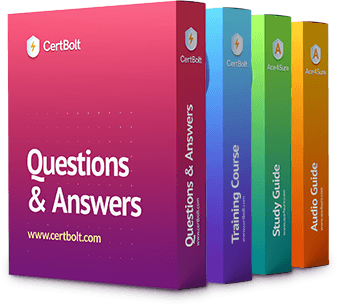
IIA-CIA-Part2 Questions & Answers
956 Questions & Answers
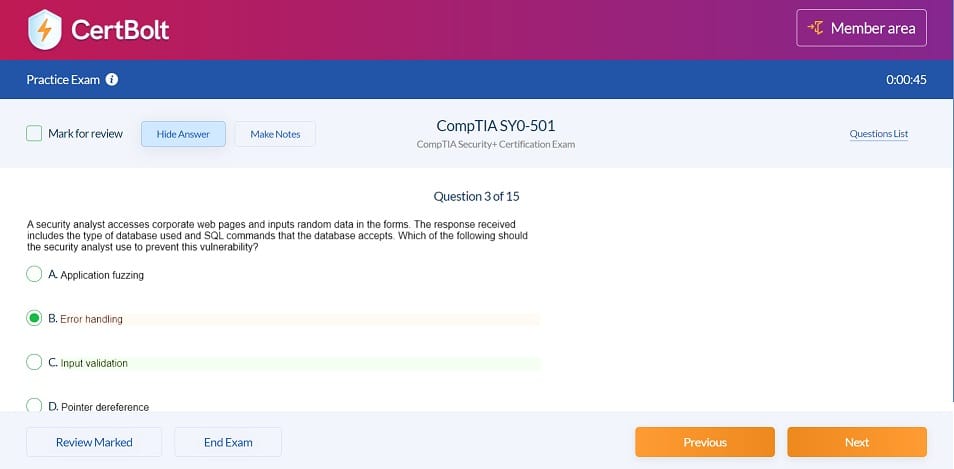
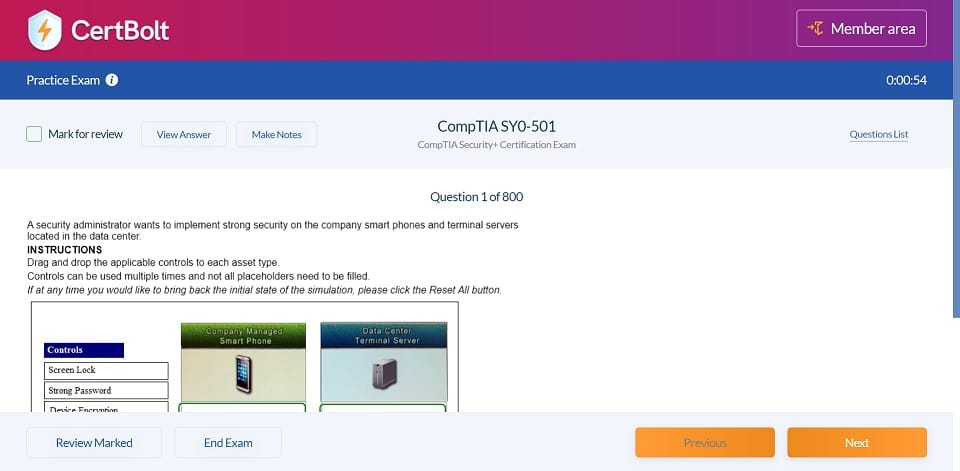
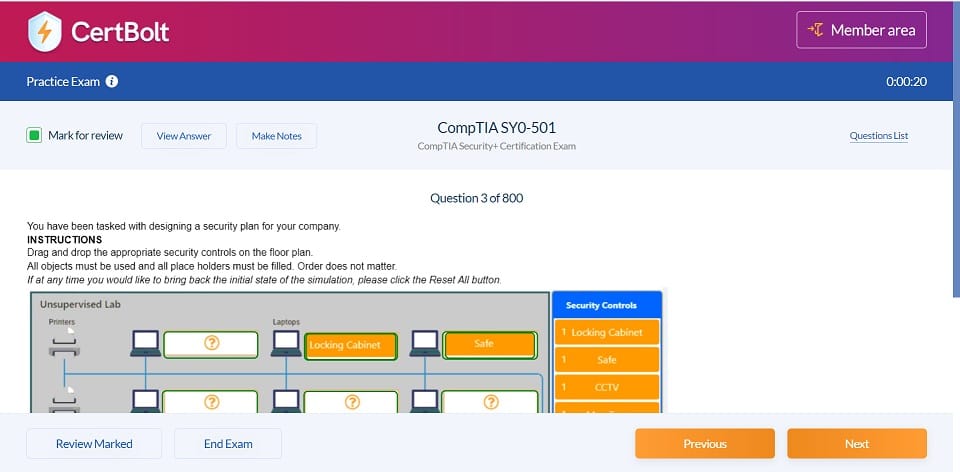
Includes 100% Updated IIA-CIA-Part2 exam questions types found on exam such as drag and drop, simulation, type in, and fill in the blank. Fast updates, accurate answers for IIA IIA-CIA-Part2 exam. Exam Simulator Included!
-
IIA-CIA-Part2 Online Training Course
93 Video Lectures
Learn from Top Industry Professionals who provide detailed video lectures based on 100% Latest Scenarios which you will encounter in exam.
-
IIA-CIA-Part2 Study Guide
438 PDF Pages
Study Guide developed by industry experts who have written exams in the past. Covers in-depth knowledge which includes Entire Exam Blueprint.
-
-
IIA IIA-CIA-Part2 Exam Dumps, IIA IIA-CIA-Part2 practice test questions
100% accurate & updated IIA certification IIA-CIA-Part2 practice test questions & exam dumps for preparing. Study your way to pass with accurate IIA IIA-CIA-Part2 Exam Dumps questions & answers. Verified by IIA experts with 20+ years of experience to create these accurate IIA IIA-CIA-Part2 dumps & practice test exam questions. All the resources available for Certbolt IIA-CIA-Part2 IIA certification practice test questions and answers, exam dumps, study guide, video training course provides a complete package for your exam prep needs.
Ultimate Guide to the IIA CIA Part 2 Exam: Tips, Content, and Success Strategies
The Certified Internal Auditor (CIA) certification is widely regarded as the premier professional credential in internal auditing. Among the three parts of the CIA exam, the segment known as the IIA CIA Part 2 Exam focuses on the practical application of internal auditing skills. Unlike the first part, which emphasizes foundational knowledge, this portion tests candidates on their ability to conduct audits effectively, interpret results, communicate findings, and apply auditing standards in real-world situations. The exam is designed not only to assess theoretical knowledge but also to evaluate problem-solving and analytical skills, making it essential for internal auditors aiming to achieve professional excellence.
Understanding the IIA CIA Part 2 Exam requires a close examination of the topics covered, the skills required, and the strategies that can increase the likelihood of passing. The certification process is rigorous, but it provides an invaluable credential that enhances credibility, career opportunities, and knowledge of internal audit best practices. Candidates preparing for this exam must develop a comprehensive understanding of auditing practices, risk management, governance, communication, and information technology systems.
Scope of the IIA CIA Part 2 Exam
The scope of the CIA Part 2 Exam is centered on practical application, focusing on the skills that internal auditors need to execute their roles effectively. The exam content is structured around four domains, each of which addresses critical areas of internal auditing practice. Mastery of these domains is essential for candidates seeking to achieve certification and excel in the profession.
Internal Audit Practice
Internal audit practice forms the cornerstone of the CIA Part 2 Exam. This domain emphasizes the steps auditors take to plan, execute, and report audits in alignment with professional standards. Candidates are expected to understand the methodology for conducting audits, including risk assessment, planning procedures, data collection, and evaluating audit evidence. They must also know how to document findings in a manner that is clear, accurate, and useful for management and stakeholders. Key aspects include understanding the audit process, performing detailed testing procedures, and identifying discrepancies or weaknesses in internal controls.
Internal auditors must also be adept at prioritizing audit tasks, managing resources effectively, and ensuring compliance with regulatory and organizational requirements. Proficiency in this area requires familiarity with audit methodologies, internal control frameworks, and techniques for evaluating business operations. The ability to interpret complex organizational processes and provide actionable recommendations is central to success in this domain.
Risk Management and Control
Risk management and control are critical components of internal auditing and are heavily emphasized in the exam. Candidates are expected to evaluate organizational risk, identify potential exposures, and recommend strategies to mitigate them. This domain involves understanding risk assessment frameworks, control evaluation techniques, and the mechanisms for monitoring and reporting risks. Internal auditors must be capable of analyzing the likelihood and impact of various risks, from financial misstatements to operational inefficiencies, and propose measures to strengthen governance and control processes.
The exam evaluates how well candidates can integrate risk management into the audit process, ensuring that audits are risk-based and focus on areas with the highest potential impact. Candidates must also understand internal control principles, including preventive, detective, and corrective controls. A strong grasp of these concepts allows auditors to assess the effectiveness of organizational controls and contribute to the development of a robust risk management culture.
Communication Skills in Internal Auditing
Communication is a vital competency for internal auditors, and the exam places significant emphasis on the ability to convey findings clearly and persuasively. Auditors must be able to write comprehensive reports that summarize audit objectives, methodologies, findings, and recommendations. The reports should be structured to provide management with actionable insights while adhering to professional standards and ethical guidelines.
In addition to written communication, oral presentation skills are also tested. Internal auditors often need to present audit results to management, boards, and other stakeholders, explaining complex issues in a way that is understandable and convincing. Candidates must demonstrate the ability to tailor their messages to different audiences, emphasizing clarity, conciseness, and professionalism. Effective communication ensures that audit findings are not only noticed but also acted upon, enhancing the value of the audit function.
Business Analysis and Information Technology
The intersection of business analysis and information technology is increasingly important in internal auditing. The CIA Part 2 Exam requires candidates to understand how IT systems support business operations and how data analytics can enhance audit procedures. Candidates must be familiar with techniques for analyzing business processes, evaluating information systems, and identifying potential vulnerabilities related to cybersecurity and data integrity.
Auditors must also understand how emerging technologies impact the audit process, including automated controls, data mining, and artificial intelligence applications. Knowledge of these areas allows auditors to assess technology-related risks effectively and ensure that IT controls are functioning as intended. Additionally, the ability to interpret and leverage data for audit purposes is a crucial skill tested in the exam, reflecting the growing importance of data-driven decision-making in modern organizations.
Exam Format and Structure
The structure of the IIA CIA Part 2 Exam is designed to test both knowledge and application skills. It consists of multiple-choice questions, typically around 100 in number, which must be completed within a time frame of 2.5 hours. The exam is scored on a scale up to 750 points, with a passing score set at 600. The format emphasizes scenario-based questions, requiring candidates to apply principles and standards to real-world situations rather than merely recalling facts.
Candidates should familiarize themselves with the types of questions that appear on the exam, including case studies, scenario analysis, and questions that require evaluation of internal controls or risk management practices. Time management is critical, as each question requires careful consideration and analysis. Practicing with sample questions and mock exams can significantly improve speed, accuracy, and confidence.
Study Strategies for Success
Effective preparation for the CIA Part 2 Exam involves a combination of structured study, practical application, and consistent review. The following strategies are recommended for candidates seeking to maximize their chances of success:
Develop a study plan that allocates time to each domain based on familiarity and difficulty
Use official IIA study materials, including the CIA Learning System, which is tailored to the exam content
Practice scenario-based questions to enhance analytical skills and application of standards
Review audit reports, case studies, and organizational risk assessments to gain practical insights
Participate in study groups or online forums to discuss challenging concepts and learn from peers
Adopting a structured approach ensures comprehensive coverage of all exam topics while building confidence in handling complex scenarios. Candidates should also focus on identifying weak areas early and allocating additional time to improve understanding and competence.
Key Concepts in Internal Audit Practice
Internal audit practice encompasses several core concepts that are critical to mastering the CIA Part 2 Exam. These include understanding audit planning, risk assessment, evidence collection, testing procedures, and reporting. Candidates must be able to design audit programs that are tailored to organizational needs and aligned with professional standards.
Risk-based auditing is a key concept, emphasizing the need to focus audit efforts on areas of highest risk. This approach allows auditors to provide meaningful insights while optimizing resources. Candidates should also be familiar with control frameworks, such as COSO or ISO, which provide structured methods for evaluating the effectiveness of internal controls.
Documentation is another essential aspect of internal audit practice. Proper documentation ensures transparency, facilitates communication with stakeholders, and provides a record for future audits. Candidates should practice creating clear and concise audit reports that highlight findings, assess risks, and recommend actionable improvements.
Understanding Risk Management and Control
A deep understanding of risk management and control principles is essential for the CIA Part 2 Exam. Candidates must be able to identify different types of risks, including operational, financial, compliance, and strategic risks. Each risk type requires specific assessment techniques and mitigation strategies.
Control evaluation involves examining existing policies, procedures, and mechanisms to ensure they are effective in preventing or detecting risks. Auditors must assess whether controls are properly designed, implemented, and monitored. Effective risk management also requires communication and coordination with management to address potential vulnerabilities and improve governance processes.
Candidates should also understand the role of internal audit in supporting enterprise risk management (ERM) initiatives. By integrating risk assessment with audit activities, auditors can provide insights that enhance organizational resilience and strategic decision-making.
Enhancing Communication Skills
Communication skills are essential for internal auditors to convey findings and influence decision-making. The CIA Part 2 Exam tests the ability to communicate both in writing and verbally. Candidates should focus on clarity, conciseness, and organization when preparing audit reports and presentations.
Effective communication involves presenting complex information in a way that is accessible to different audiences. Auditors should tailor their messages to the knowledge level and interests of stakeholders, emphasizing key findings and recommendations. Active listening, questioning techniques, and persuasive presentation skills are also valuable in audit discussions and board-level meetings.
Leveraging Business Analysis and IT Knowledge
Internal auditors must possess a strong understanding of business processes and information technology systems. This knowledge allows them to identify inefficiencies, assess risks, and recommend improvements. The CIA Part 2 Exam evaluates candidates’ ability to analyze financial and operational data, evaluate IT controls, and understand how technology supports business objectives.
Data analytics is increasingly integral to modern auditing. Candidates should be familiar with techniques for data sampling, trend analysis, and anomaly detection. Understanding cybersecurity principles, system access controls, and automated monitoring systems is also important for assessing IT-related risks and ensuring the integrity of information systems.
Preparing with Practice Exams
Practice exams are a critical component of CIA Part 2 preparation. They help candidates become familiar with question formats, time constraints, and the application of knowledge in simulated scenarios. Regular practice allows candidates to identify areas of strength and weakness, refine analytical skills, and improve time management during the actual exam.
Candidates should simulate exam conditions when taking practice tests, adhering to time limits and avoiding external references. Reviewing explanations for correct and incorrect answers enhances understanding and reinforces key concepts. Over time, practice exams build confidence and reduce test anxiety, contributing to improved performance on the exam day.
Importance of Professional Standards
Adherence to professional standards is a fundamental aspect of internal auditing. The CIA Part 2 Exam emphasizes knowledge of the International Standards for the Professional Practice of Internal Auditing. Candidates must understand how to apply these standards in planning, executing, and reporting audits. Compliance with standards ensures the credibility, quality, and reliability of audit work.
Internal auditors should also be familiar with the IIA Code of Ethics, which provides guidance on integrity, objectivity, confidentiality, and competency. Ethical considerations are essential when evaluating risks, reporting findings, and interacting with stakeholders. Understanding professional standards and ethics is crucial for delivering audits that are trusted and respected within the organization.
Career Benefits of CIA Certification
Achieving the CIA certification demonstrates mastery of internal auditing principles and practical application skills. It enhances professional credibility, opens doors to career advancement, and often results in higher earning potential. The knowledge gained while preparing for the exam equips auditors with the skills to contribute effectively to governance, risk management, and organizational improvement initiatives.
CIA-certified auditors are in demand globally, as organizations seek professionals capable of conducting thorough audits, evaluating risks, and providing actionable insights. The credential also supports career growth by enabling auditors to take on leadership roles, specialize in risk or IT auditing, and influence strategic decision-making.
Summary of Study Resources
Candidates preparing for the CIA Part 2 Exam have access to a variety of resources, including official IIA study guides, online courses, practice questions, webinars, and professional forums. Utilizing a combination of these resources ensures comprehensive coverage of the exam content and provides exposure to practical examples and scenarios.
Study resources should be selected based on quality, relevance, and alignment with the exam syllabus. Candidates are encouraged to focus on areas where they lack experience, reinforcing knowledge through practice and review. A disciplined and consistent study approach increases the likelihood of passing the exam on the first attempt.
Common Challenges and How to Overcome Them
Candidates often encounter challenges such as time management, understanding scenario-based questions, and mastering risk and control concepts. To overcome these challenges, candidates should develop a structured study plan, allocate sufficient time for review, and engage in practical exercises that simulate real audit scenarios.
Joining study groups or seeking mentorship from experienced auditors can provide valuable insights and support. Additionally, leveraging technology, such as data analytics tools and online learning platforms, can enhance understanding and application of key concepts. Persistence, practice, and strategic preparation are essential for overcoming obstacles and achieving success.
Integrating Knowledge into Practice
The ultimate goal of the CIA Part 2 Exam is to ensure candidates can integrate theoretical knowledge into practical auditing situations. This involves applying standards, assessing risks, evaluating controls, communicating findings, and leveraging technology effectively. Candidates who develop these skills are well-prepared to meet the demands of modern internal auditing and contribute meaningfully to their organizations.
Practical experience, combined with exam preparation, reinforces learning and builds confidence. Auditors should seek opportunities to participate in diverse audits, engage with cross-functional teams, and analyze business processes to apply knowledge in real-world contexts. This integration of theory and practice is essential for both exam success and professional growth.
Deep Dive into Internal Audit Planning
Effective audit planning is the foundation of a successful internal audit process. The planning phase involves setting audit objectives, identifying key risks, allocating resources, and developing an audit program that ensures all significant areas are covered. Internal auditors must understand the organization’s strategic goals, operational processes, and regulatory environment to design an audit plan that aligns with both organizational priorities and professional standards.
Planning begins with a risk assessment that identifies areas where potential failures could have the most significant impact. Auditors analyze financial, operational, compliance, and reputational risks to determine audit priorities. This risk-based approach allows auditors to focus limited resources on areas that matter most, ensuring audits are both efficient and effective.
Once risks are identified, auditors establish the scope and objectives of each audit engagement. They determine the procedures necessary to gather evidence, test controls, and evaluate operational effectiveness. Proper planning also includes defining timelines, assigning responsibilities, and identifying required skills for the audit team.
Conducting Fieldwork
Fieldwork is the execution phase of an audit, where auditors gather evidence, evaluate controls, and test processes. This phase requires careful attention to detail, analytical thinking, and adherence to professional standards. Auditors collect data through interviews, observations, document review, and testing procedures to verify that controls are operating effectively.
During fieldwork, auditors evaluate both preventive and detective controls. Preventive controls aim to avoid errors or fraud before they occur, while detective controls identify issues after they have happened. Understanding the purpose of these controls allows auditors to assess whether they are properly designed and functioning as intended.
Documentation is a critical component of fieldwork. Accurate and organized working papers provide a record of the procedures performed, evidence collected, and conclusions reached. They also facilitate review by supervisors, support audit findings, and provide a reference for future audits. Maintaining clear and detailed documentation ensures transparency and accountability throughout the audit process.
Evaluating Internal Controls
Internal controls are the mechanisms organizations use to manage risk and achieve objectives. Auditors must assess the design, implementation, and effectiveness of these controls to ensure they function as intended. Evaluating controls involves identifying potential gaps, testing procedures, and analyzing whether controls mitigate the identified risks adequately.
Key areas of focus include financial reporting, operational processes, compliance with laws and regulations, and information technology systems. Auditors must understand the relationship between controls and organizational objectives, recognizing that effective controls reduce the likelihood of errors, fraud, or inefficiencies.
Control frameworks such as COSO provide structured methods for evaluating the adequacy of internal controls. These frameworks help auditors assess control environment, risk assessment processes, control activities, information and communication systems, and monitoring mechanisms. Understanding these frameworks is essential for ensuring audits are consistent, thorough, and aligned with professional standards.
Risk-Based Audit Approach
A risk-based approach ensures audits focus on areas with the greatest potential impact. Auditors prioritize engagements based on risk assessments, evaluating both the likelihood and potential consequences of identified risks. This approach allows organizations to allocate resources efficiently and address areas of greatest concern.
Risk assessments consider factors such as financial exposure, operational complexity, regulatory compliance, and reputational impact. Auditors analyze historical data, industry trends, and organizational policies to identify areas of vulnerability. By targeting high-risk areas, auditors provide management with meaningful insights that support informed decision-making.
Integrating risk assessment into the audit planning process also improves audit effectiveness. By understanding potential risks and control weaknesses, auditors can design procedures that specifically test these areas, ensuring the audit addresses the most critical concerns.
Audit Evidence and Testing Procedures
Collecting and analyzing audit evidence is central to the audit process. Evidence must be sufficient, relevant, and reliable to support audit conclusions. Auditors gather evidence through a combination of observation, inspection, interviews, and analytical procedures. The nature and extent of evidence depend on the scope of the audit and the complexity of the processes being examined.
Testing procedures help auditors verify that controls are operating as intended. These procedures may include walkthroughs, substantive testing, compliance testing, and data analysis. Substantive testing focuses on the accuracy and completeness of financial records, while compliance testing assesses adherence to policies, procedures, and regulatory requirements.
Auditors must evaluate both qualitative and quantitative evidence, ensuring conclusions are supported by objective, verifiable information. Proper documentation of evidence, including working papers and summaries, ensures transparency and provides a foundation for reporting findings.
Reporting Audit Findings
Audit reporting is a critical step in delivering value to management and stakeholders. Reports summarize audit objectives, scope, methodologies, findings, and recommendations in a clear, concise, and professional manner. Effective reporting communicates risk exposures, control weaknesses, and opportunities for improvement.
Auditors should structure reports to highlight key findings, categorize risks by severity, and provide actionable recommendations. Recommendations must be practical, feasible, and aligned with organizational goals. Clear reporting enhances management’s ability to make informed decisions and implement corrective actions.
Oral communication skills are equally important. Auditors often present findings to senior management, audit committees, or boards of directors. Effective presentation requires summarizing complex information in an understandable format, answering questions confidently, and emphasizing key insights. Strong communication ensures audit results are acknowledged, understood, and acted upon.
Enterprise Risk Management
Enterprise Risk Management (ERM) is a holistic approach to identifying, assessing, and mitigating risks across the organization. Auditors play a key role in evaluating ERM processes and ensuring they are effective in addressing strategic, operational, financial, and compliance risks.
ERM frameworks provide structured methods for assessing risk appetite, identifying exposures, and implementing mitigation strategies. Auditors evaluate whether risk management processes are integrated into business operations, aligned with organizational objectives, and continuously monitored for effectiveness.
CIA Part 2 candidates must understand how ERM supports governance and strategic decision-making. By evaluating ERM processes, auditors can provide recommendations that strengthen risk management practices, improve internal controls, and enhance organizational resilience.
Information Technology and Data Analytics
The increasing reliance on technology has transformed internal auditing. CIA Part 2 candidates must understand information technology systems, cybersecurity risks, and data analytics techniques. Technology enables auditors to analyze large datasets, identify anomalies, and assess control effectiveness more efficiently than traditional methods.
Data analytics allows auditors to examine trends, detect errors or fraud, and evaluate operational performance. Techniques include sampling, variance analysis, predictive modeling, and automated testing procedures. Auditors must also evaluate IT controls, including access management, system configurations, and data integrity.
Cybersecurity is a critical area of focus, as organizations face threats from external attacks, data breaches, and system vulnerabilities. Auditors assess security controls, evaluate incident response procedures, and recommend improvements to protect sensitive information. Knowledge of IT and analytics enhances audit effectiveness and aligns internal auditing with modern business practices.
Regulatory Compliance and Ethical Standards
Internal auditors must ensure organizations comply with applicable laws, regulations, and industry standards. CIA Part 2 emphasizes understanding compliance requirements, assessing adherence, and identifying potential violations. Auditors evaluate policies, procedures, and controls to ensure compliance and minimize legal or reputational risk.
Ethical standards are equally important. Auditors must demonstrate integrity, objectivity, confidentiality, and professional competence. The IIA Code of Ethics provides guidance on maintaining ethical behavior, navigating conflicts of interest, and ensuring that audit activities are conducted with professionalism and accountability.
Candidates must be able to apply ethical principles in challenging situations, such as reporting irregularities, addressing management resistance, or evaluating conflicts of interest. Maintaining ethical standards strengthens credibility, trust, and the overall effectiveness of the internal audit function.
Audit Quality and Continuous Improvement
Audit quality is central to the effectiveness of internal auditing. CIA Part 2 candidates are evaluated on their ability to ensure audits are thorough, accurate, and aligned with professional standards. Quality control measures include supervisory review, adherence to audit methodology, and regular evaluation of audit performance.
Continuous improvement involves learning from past audits, incorporating feedback, and adopting best practices. Auditors should identify opportunities to enhance processes, streamline procedures, and leverage technology for greater efficiency. By fostering a culture of continuous improvement, internal audit functions remain relevant, effective, and capable of addressing evolving risks.
Effective Time Management
Time management is a critical skill for internal auditors. CIA Part 2 candidates must demonstrate the ability to prioritize tasks, allocate resources efficiently, and meet deadlines without compromising audit quality. Effective time management ensures that audits are completed on schedule, findings are reported promptly, and management has timely insights for decision-making.
Strategies include breaking complex audits into manageable tasks, setting clear timelines, delegating responsibilities, and monitoring progress regularly. Time management also applies to exam preparation, where candidates must balance study time across multiple domains, practice questions, and review sessions to optimize performance.
Audit Methodologies and Frameworks
A strong understanding of audit methodologies and frameworks is essential for success. Methodologies provide structured approaches to planning, conducting, and reporting audits, while frameworks offer guidance on evaluating controls and managing risk. Candidates must be familiar with commonly used frameworks, including COSO, COBIT, and ISO standards.
Methodologies emphasize systematic procedures, documentation, and evidence-based conclusions. Frameworks help auditors assess the effectiveness of internal controls, governance processes, and risk management systems. Applying these methodologies and frameworks consistently ensures audits are credible, reliable, and aligned with professional standards.
Leveraging Professional Judgment
Professional judgment is a key competency for internal auditors. Candidates must demonstrate the ability to analyze complex situations, evaluate evidence, and make informed decisions based on standards, policies, and experience. Auditors use judgment to determine audit scope, select testing procedures, assess control effectiveness, and formulate recommendations.
Developing professional judgment requires practical experience, critical thinking, and continuous learning. Auditors must weigh risks, consider alternatives, and anticipate potential outcomes when making decisions. Strong judgment enhances audit quality, supports ethical decision-making, and ensures recommendations are actionable and relevant.
Building Audit Reports for Impact
Audit reports are the primary means of communicating findings to stakeholders. CIA Part 2 candidates must be proficient in creating reports that are clear, concise, and impactful. Reports should highlight key risks, summarize evidence, and provide actionable recommendations that management can implement effectively.
Effective report writing includes structuring content logically, using precise language, and emphasizing critical issues. Visual aids, such as charts and tables, can enhance clarity and comprehension. Reports should be tailored to the audience, addressing their concerns while maintaining professional standards and objectivity.
Collaboration and Teamwork
Internal auditing is often a collaborative effort. Auditors work with colleagues, management, and stakeholders to gather information, assess risks, and implement improvements. CIA Part 2 candidates must demonstrate the ability to collaborate effectively, leveraging diverse skills and perspectives to enhance audit outcomes.
Teamwork involves clear communication, coordination of tasks, conflict resolution, and knowledge sharing. Collaborative auditors contribute to a positive work environment, promote efficiency, and ensure audit objectives are achieved successfully. Developing teamwork skills also prepares auditors for leadership roles within the internal audit function.
Enhancing Analytical and Critical Thinking Skills
Analytical and critical thinking are essential for internal auditors to identify issues, evaluate evidence, and provide meaningful recommendations. CIA Part 2 candidates are expected to interpret complex data, assess risks, and analyze operational processes to support audit objectives.
Techniques include root cause analysis, trend evaluation, variance analysis, and scenario-based problem solving. Auditors must be able to identify patterns, anticipate potential risks, and recommend solutions that address both immediate and long-term concerns. Strengthening analytical and critical thinking skills enhances audit effectiveness and contributes to professional growth.
Continuous Professional Development
Internal auditing is a dynamic field that requires continuous learning. CIA Part 2 candidates should engage in professional development activities, such as attending training programs, obtaining certifications, participating in workshops, and staying updated on emerging risks and regulations.
Continuous development ensures auditors remain competent, knowledgeable, and capable of addressing evolving challenges. It also reinforces professional credibility and demonstrates commitment to maintaining high standards in internal auditing practices.
Preparing for the Exam with Mock Tests
Mock tests are an essential tool for exam preparation. They help candidates become familiar with the exam format, manage time effectively, and practice scenario-based questions. Regular practice with mock tests builds confidence, reinforces key concepts, and identifies areas requiring further study.
Candidates should simulate exam conditions, review explanations for both correct and incorrect answers, and track performance over time. Consistent practice improves speed, accuracy, and understanding, ultimately enhancing the likelihood of success on the actual exam.
Advanced Risk Assessment Techniques
Risk assessment is a core component of internal auditing and a major focus of the CIA Part 2 Exam. Candidates must understand advanced techniques for identifying, evaluating, and prioritizing risks. These methods allow auditors to direct resources toward the most significant exposures and provide actionable recommendations.
Techniques include qualitative and quantitative risk analysis. Qualitative analysis evaluates risk based on likelihood and impact, using expert judgment, interviews, and risk scoring systems. Quantitative analysis relies on numerical data, statistical models, and scenario simulations to assess potential losses. Combining both approaches ensures a comprehensive understanding of organizational risks.
Auditors must also consider emerging risks, such as cybersecurity threats, regulatory changes, and technological disruptions. Recognizing these trends early allows internal audit functions to adapt their strategies, mitigating risks before they escalate.
Internal Control Evaluation Frameworks
Understanding internal control frameworks is essential for the CIA Part 2 Exam. Frameworks provide structured approaches for evaluating control design and operational effectiveness. The COSO framework is widely used and emphasizes five components: control environment, risk assessment, control activities, information and communication, and monitoring activities.
Other frameworks, such as COBIT for IT governance and ISO standards for quality and security, provide additional guidance. Auditors should be familiar with multiple frameworks to assess controls in diverse organizational contexts. Evaluating controls involves testing procedures, identifying gaps, and recommending improvements that enhance reliability and compliance.
Conducting Compliance Audits
Compliance audits are a critical aspect of internal auditing. These audits ensure organizations adhere to applicable laws, regulations, and internal policies. Candidates must understand the regulatory environment relevant to their industry and evaluate whether processes meet prescribed standards.
Steps include reviewing policies, interviewing staff, testing transactions, and analyzing documentation. Non-compliance findings require auditors to provide recommendations that are practical and aligned with regulatory requirements. Effective compliance audits reduce legal risks, prevent penalties, and support organizational integrity.
Audit Sampling Methods
Sampling is a key technique in internal auditing, enabling auditors to draw conclusions about entire populations based on selected samples. CIA Part 2 candidates must understand different sampling methods and their appropriate applications.
Common techniques include random sampling, systematic sampling, stratified sampling, and judgmental sampling. Random sampling ensures unbiased selection, systematic sampling uses a predetermined pattern, stratified sampling categorizes the population for targeted analysis, and judgmental sampling relies on auditor expertise.
Auditors must determine sample size, select appropriate methods, and interpret results accurately. Sampling helps improve efficiency while maintaining reliability and relevance in audit conclusions.
Information Systems Auditing
Information systems auditing evaluates the controls, security, and effectiveness of IT environments. CIA Part 2 candidates must understand how technology supports organizational objectives, how systems process data, and how to identify vulnerabilities.
Key areas include access controls, data integrity, system configurations, network security, and incident response processes. Auditors assess whether systems operate as intended, identify weaknesses, and recommend enhancements to mitigate risks. Proficiency in IT auditing ensures internal auditors can address both operational and technology-related exposures effectively.
Data Analytics in Auditing
Data analytics has transformed internal auditing, providing tools to examine large datasets, detect anomalies, and improve decision-making. CIA Part 2 candidates must understand analytical techniques and how to apply them to audit procedures.
Techniques include trend analysis, variance analysis, predictive modeling, and exception reporting. Auditors can identify unusual transactions, operational inefficiencies, or potential fraud. Integrating data analytics into audits enhances accuracy, efficiency, and insight, supporting evidence-based recommendations.
Evaluating Financial Controls
Financial controls are central to organizational stability and accountability. CIA Part 2 candidates must assess the effectiveness of financial processes, including budgeting, reporting, reconciliation, and safeguarding of assets.
Auditors examine transaction flows, verify accuracy, and test controls to ensure compliance with policies and regulations. Understanding financial systems, accounting principles, and internal control mechanisms allows auditors to detect errors or weaknesses and provide actionable recommendations for improvement.
Operational Auditing Techniques
Operational audits assess the efficiency and effectiveness of business processes. Candidates must evaluate whether operations achieve organizational objectives while optimizing resource utilization.
Techniques include process mapping, workflow analysis, benchmarking, and performance measurement. Auditors identify inefficiencies, redundant procedures, and opportunities for improvement. Operational audits enhance productivity, reduce costs, and support strategic goals by providing management with actionable insights.
Fraud Risk Assessment
Fraud risk assessment is a vital aspect of internal auditing. CIA Part 2 candidates must identify potential fraud schemes, assess the likelihood of occurrence, and evaluate controls designed to prevent or detect fraud.
Auditors should understand common fraud indicators, including unusual transactions, conflicts of interest, and deviations from policies. Techniques such as forensic analysis, trend evaluation, and transaction testing help identify potential fraudulent activity. Providing recommendations to strengthen anti-fraud controls enhances organizational integrity and risk management.
Governance and Organizational Structure
Internal auditors play a key role in evaluating governance structures. CIA Part 2 candidates must assess the effectiveness of boards, committees, and management oversight in achieving organizational objectives.
Auditors review policies, decision-making processes, and accountability mechanisms. They evaluate whether governance structures promote transparency, ethical behavior, and strategic alignment. Recommendations may involve enhancing reporting lines, clarifying responsibilities, or improving oversight practices. Effective governance assessment supports organizational accountability and performance.
Audit Reporting Best Practices
Creating impactful audit reports is critical for internal auditors. CIA Part 2 candidates must communicate findings clearly, concisely, and professionally, ensuring management and stakeholders understand risks and recommendations.
Best practices include structuring reports logically, emphasizing key findings, categorizing risks by severity, and providing actionable recommendations. Visual aids such as charts and tables can enhance clarity. Reports should be tailored to the audience, addressing their concerns while adhering to professional standards and objectivity.
Key Communication Skills
Communication extends beyond report writing. CIA Part 2 candidates must demonstrate effective oral communication, especially when presenting findings to management, boards, or audit committees.
Skills include summarizing complex issues, answering questions clearly, and emphasizing critical insights. Active listening, persuasion, and tailoring messages to different audiences are essential. Strong communication ensures audit results are understood, acknowledged, and acted upon.
Audit Follow-Up Procedures
Follow-up is a critical part of the audit cycle. Auditors must ensure that recommendations are implemented and that risks identified during the audit are addressed.
Follow-up procedures include reviewing management action plans, verifying corrective measures, and reassessing control effectiveness. Regular follow-up enhances accountability, ensures continuous improvement, and reinforces the value of internal auditing within the organization.
Performance Measurement in Auditing
Measuring audit performance is essential for evaluating the effectiveness of internal audit functions. CIA Part 2 candidates must understand key performance indicators (KPIs) such as audit completion rates, recommendation implementation rates, and stakeholder satisfaction.
Monitoring these metrics helps identify areas for improvement, optimize resource allocation, and demonstrate the impact of the internal audit function. Performance measurement supports continuous improvement and strategic alignment of auditing activities.
Ethical Considerations in Auditing
Ethics are a cornerstone of internal auditing. CIA Part 2 candidates must uphold integrity, objectivity, confidentiality, and professional competence.
Ethical considerations include avoiding conflicts of interest, maintaining independence, and ensuring that audit findings are reported truthfully. Applying ethical principles in challenging situations reinforces credibility, trust, and the effectiveness of the audit function.
Continuous Improvement and Learning
Internal auditors must commit to continuous learning to keep pace with evolving risks, regulations, and business practices. CIA Part 2 candidates should engage in professional development through training programs, certifications, workshops, and industry publications.
Continuous improvement involves reflecting on past audits, adopting best practices, and enhancing methodologies. This approach ensures auditors remain competent, knowledgeable, and capable of addressing emerging challenges.
Leveraging Professional Judgment
Professional judgment allows auditors to analyze complex situations, evaluate evidence, and make informed decisions. CIA Part 2 candidates must demonstrate the ability to apply judgment in determining audit scope, selecting procedures, and formulating recommendations.
Developing professional judgment requires experience, critical thinking, and ongoing learning. Auditors must weigh risks, consider alternatives, and anticipate outcomes to provide effective guidance and actionable insights.
Integrating IT and Audit Processes
Integrating technology into auditing enhances efficiency and effectiveness. CIA Part 2 candidates must understand how IT systems support business processes, facilitate data collection, and provide analytical capabilities.
Auditors should evaluate IT controls, assess cybersecurity risks, and leverage data analytics tools to identify anomalies, trends, and potential issues. Effective integration of IT ensures audits are comprehensive, timely, and aligned with modern organizational practices.
Preparing for Scenario-Based Questions
The CIA Part 2 Exam heavily emphasizes scenario-based questions. Candidates must analyze situations, identify risks, evaluate controls, and provide recommendations based on professional standards.
Practice with case studies, mock exams, and real-world examples strengthens analytical and decision-making skills. Candidates should focus on understanding the context, applying knowledge systematically, and justifying conclusions with evidence and standards.
Time Management for Exam Success
Time management is essential for both exam preparation and the actual test. CIA Part 2 candidates must allocate study time effectively across domains, practice questions, and review sessions.
During the exam, managing time ensures candidates can read questions carefully, analyze scenarios, and answer all items within the allotted period. Effective time management reduces stress, improves accuracy, and enhances overall performance.
Common Pitfalls and How to Avoid Them
Candidates often encounter challenges such as over-reliance on memorization, misunderstanding scenario-based questions, or neglecting practical application. Avoiding these pitfalls requires a balanced study approach, focusing on comprehension, practice, and application.
Strategies include reviewing explanations for incorrect answers, seeking mentorship or study groups, and applying concepts in real or simulated audit scenarios. Recognizing and addressing weaknesses early improves confidence and performance.
Career Implications of CIA Certification
The CIA designation enhances professional credibility, opens doors to career advancement, and often leads to higher earning potential. CIA Part 2 knowledge equips auditors with practical skills to evaluate risks, improve governance, and support strategic decision-making.
Organizations value certified auditors for their expertise, professionalism, and ability to contribute meaningfully to risk management and operational efficiency. Certification supports career growth, leadership opportunities, and specialization in areas such as IT auditing, risk management, or forensic auditing.
Study Resources and Tools
Candidates have access to a wide range of study resources, including official IIA materials, online courses, practice questions, webinars, and forums. Combining multiple resources ensures comprehensive coverage and exposure to real-world scenarios.
Effective use of tools such as flashcards, mock exams, and analytical software enhances understanding and retention. Structured study plans, regular review sessions, and practical exercises reinforce knowledge and build confidence.
Integrating Knowledge with Practice
Successful auditors integrate theoretical knowledge into practical situations. CIA Part 2 candidates should apply auditing standards, evaluate risks, assess controls, and communicate findings in real-world contexts.
Hands-on experience, combined with structured study, strengthens analytical, judgment, and communication skills. This integration ensures candidates are prepared not only for the exam but also for professional challenges in the internal auditing field.
Mastering Audit Engagements
Audit engagements are central to internal auditing and require careful planning, execution, and reporting. CIA Part 2 candidates must understand how to manage engagements effectively to ensure audits deliver value to the organization.
Engagement management begins with defining the scope, objectives, and risk focus. Auditors allocate resources, schedule activities, and assign responsibilities to team members based on expertise. Understanding organizational priorities and risk appetite ensures audits align with strategic objectives.
During execution, auditors collect and analyze data, test controls, and evaluate processes. Fieldwork should be systematic, evidence-based, and conducted in adherence to professional standards. Proper documentation supports conclusions, facilitates review, and ensures transparency.
Effective engagement management requires continuous communication with stakeholders. Providing updates, addressing concerns, and clarifying expectations promotes collaboration and enhances audit credibility. By mastering audit engagements, internal auditors contribute meaningfully to organizational improvement and governance.
Risk-Based Audit Planning
A risk-based approach remains the cornerstone of effective auditing. CIA Part 2 candidates must understand how to integrate risk assessment into planning processes, ensuring audits target areas with the highest potential impact.
Steps in risk-based planning include identifying key risks, assessing likelihood and impact, and prioritizing audit activities. Risk registers, historical data, and industry benchmarks help auditors evaluate exposures. This approach optimizes resource allocation and enhances audit effectiveness by focusing efforts where they are most needed.
Auditors should also monitor emerging risks, including operational, financial, regulatory, and technological risks. Incorporating these insights into audit plans ensures audits remain relevant, forward-looking, and capable of addressing new challenges.
Evaluating Control Effectiveness
Internal control evaluation is critical to protecting organizational assets and ensuring operational efficiency. CIA Part 2 candidates must assess the design, implementation, and performance of controls.
Auditors examine preventive, detective, and corrective controls to determine whether they mitigate risks effectively. Preventive controls aim to avoid errors, detective controls identify issues after they occur, and corrective controls address deficiencies. Evaluating these controls requires testing, observation, and analysis.
Frameworks like COSO and COBIT guide auditors in systematically assessing controls across financial, operational, and IT processes. Identifying gaps and recommending enhancements strengthens risk management and supports organizational objectives.
Information Technology and Cybersecurity Auditing
Technology auditing is increasingly important as organizations rely on IT systems to support operations. CIA Part 2 candidates must evaluate IT controls, system security, and data integrity to mitigate technological risks.
Key areas include access controls, configuration management, network security, and incident response protocols. Auditors assess whether systems operate effectively, identify vulnerabilities, and recommend improvements. Understanding cybersecurity threats and mitigation strategies is crucial for ensuring organizational resilience.
Data analytics plays a significant role in IT auditing. Auditors can use automated tools to analyze transaction patterns, detect anomalies, and evaluate system performance. Leveraging technology enhances audit efficiency, accuracy, and insight.
Fraud Detection and Prevention
Fraud detection is a critical responsibility of internal auditors. CIA Part 2 candidates must understand common fraud schemes, indicators, and preventive measures.
Auditors assess the risk of fraud by evaluating processes, controls, and employee behavior. Techniques include transaction analysis, trend evaluation, and forensic investigation. Identifying red flags, such as unusual financial activity, non-compliance with policies, or conflicts of interest, helps auditors detect potential fraud.
Preventive measures may include enhancing internal controls, improving segregation of duties, implementing monitoring systems, and promoting an ethical culture. Fraud detection and prevention strengthen organizational integrity and reduce financial and reputational risk.
Communication and Reporting
Effective communication ensures audit findings are understood, acknowledged, and acted upon. CIA Part 2 candidates must excel in both written and oral communication.
Audit reports should be clear, concise, and structured, summarizing objectives, methodologies, findings, and recommendations. Key findings should be highlighted, risks categorized, and actionable solutions proposed. Visual aids, including charts and tables, improve readability and comprehension.
Oral presentations to management, boards, or audit committees require succinct explanation, persuasive communication, and the ability to address questions confidently. Clear communication enhances audit impact and facilitates decision-making.
Audit Follow-Up and Monitoring
Follow-up is essential to ensure recommendations are implemented and risks are addressed. CIA Part 2 candidates must establish procedures to monitor corrective actions and assess ongoing effectiveness of controls.
Follow-up activities include reviewing management action plans, verifying implementation, and reassessing risks. Continuous monitoring reinforces accountability, strengthens governance, and demonstrates the value of the internal audit function.
Establishing metrics and tracking progress ensures management remains committed to implementing improvements. This proactive approach enhances organizational performance and reduces exposure to risks.
Business Analysis and Operational Auditing
Operational audits evaluate efficiency and effectiveness of business processes. CIA Part 2 candidates must analyze workflows, identify bottlenecks, and recommend improvements.
Techniques include process mapping, benchmarking, performance metrics analysis, and root cause evaluation. Operational audits support resource optimization, cost reduction, and strategic alignment. By integrating audit findings with business analysis, auditors provide actionable insights that drive performance improvement.
Understanding organizational processes, objectives, and performance indicators is critical to conducting meaningful operational audits. This knowledge allows auditors to identify gaps, assess risks, and provide recommendations that support strategic goals.
Professional Judgment and Decision-Making
Professional judgment is a vital skill for internal auditors. CIA Part 2 candidates must apply judgment when evaluating risks, selecting audit procedures, interpreting evidence, and formulating recommendations.
Effective judgment relies on experience, analytical skills, and understanding of organizational context. Auditors must balance risk, compliance, and practicality when making decisions. Strong professional judgment enhances audit quality, supports ethical behavior, and ensures recommendations are actionable.
Developing judgment involves continuous learning, exposure to diverse audit scenarios, and reflection on past experiences. Skilled auditors use judgment to navigate complex situations and provide credible, value-added insights.
Ethical Considerations in Auditing
Ethics are fundamental to internal auditing. CIA Part 2 candidates must adhere to principles of integrity, objectivity, confidentiality, and professional competence.
Auditors must avoid conflicts of interest, maintain independence, and ensure audit findings are reported accurately and transparently. Ethical behavior builds trust with stakeholders, enhances credibility, and ensures the internal audit function adds value to the organization.
Understanding the IIA Code of Ethics provides guidance for navigating complex ethical situations. Ethical decision-making supports professional standards and reinforces organizational integrity.
Continuous Professional Development
Internal auditing is an evolving profession. CIA Part 2 candidates must commit to ongoing learning and professional development to remain competent and effective.
Professional development activities include attending training programs, pursuing additional certifications, participating in workshops, and staying informed about regulatory changes, emerging risks, and industry best practices. Continuous learning strengthens knowledge, enhances skills, and prepares auditors to address new challenges.
Adopting a mindset of continuous improvement ensures auditors remain current, confident, and capable of contributing meaningfully to organizational success.
Exam Preparation Strategies
Effective exam preparation involves structured study, practical application, and consistent review. CIA Part 2 candidates should focus on understanding the content, applying standards, practicing scenario-based questions, and reviewing key concepts.
Strategies include creating a detailed study schedule, using official IIA materials, engaging in mock exams, and participating in study groups. Identifying strengths and weaknesses early allows candidates to allocate time efficiently. Regular practice with scenario-based questions enhances critical thinking and application skills.
Time management during study and the exam is essential. Candidates must balance content review, practice questions, and rest to optimize performance. A disciplined approach increases confidence and improves the likelihood of success.
Leveraging Study Resources
CIA Part 2 candidates have access to various study resources, including official IIA guides, online courses, webinars, practice questions, and professional forums. Utilizing multiple resources ensures comprehensive coverage of all exam topics.
Practical exercises, case studies, and real-world examples reinforce learning and improve analytical skills. Candidates should track progress, review explanations for incorrect answers, and adjust study strategies accordingly. Effective use of resources enhances retention, understanding, and exam readiness.
Time Management During the Exam
Managing time effectively during the CIA Part 2 Exam is crucial. Candidates must allocate sufficient time to read questions carefully, analyze scenarios, and provide reasoned responses.
Strategies include prioritizing questions based on familiarity and complexity, avoiding spending excessive time on any single question, and keeping track of remaining time. Practicing under timed conditions during preparation improves speed, accuracy, and confidence.
Efficient time management reduces exam stress, enhances focus, and ensures candidates complete all questions within the allotted period.
Common Challenges and Solutions
Candidates often encounter challenges such as scenario-based questions, understanding complex standards, or interpreting risk and control concepts. To overcome these, candidates should engage in focused study, practical exercises, and peer discussions.
Using case studies, reviewing mock exams, and seeking guidance from experienced auditors helps clarify difficult topics. Identifying weak areas and reinforcing them through targeted practice strengthens knowledge and builds confidence. Persistence, strategic planning, and continuous review are key to overcoming challenges.
Benefits of CIA Certification
Achieving the CIA designation enhances professional credibility, opens career opportunities, and often leads to higher earning potential. CIA Part 2 knowledge equips auditors to evaluate risks, assess controls, and support governance initiatives effectively.
Certified internal auditors are recognized globally for their expertise, professionalism, and ability to provide value-added insights. Certification also supports career advancement into leadership roles, IT auditing, risk management, or forensic auditing.
The knowledge and skills gained through CIA certification empower auditors to contribute meaningfully to organizational improvement, strategic decision-making, and risk mitigation.
Integrating Knowledge into Professional Practice
Applying CIA Part 2 knowledge in real-world scenarios ensures auditors provide meaningful insights and recommendations. Candidates should integrate standards, risk assessment, control evaluation, and communication skills into daily practice.
Hands-on experience, continuous learning, and exposure to diverse audit situations reinforce theoretical knowledge. Practical application ensures auditors are prepared for both the exam and professional challenges, enhancing their value to the organization.
Conclusion
The IIA CIA Part 2 Exam is designed to test candidates on the practical application of internal auditing knowledge, including risk assessment, control evaluation, IT auditing, fraud detection, communication, and professional judgment. Mastery of these areas not only ensures exam success but also equips internal auditors with the skills needed to add significant value to their organizations.
By focusing on structured study, scenario-based practice, professional ethics, and continuous development, candidates can confidently navigate the exam and achieve certification. The CIA credential opens doors to advanced career opportunities, enhances credibility, and strengthens the effectiveness of internal audit functions globally. With thorough preparation, disciplined study, and practical application, aspiring auditors can achieve their certification goals and excel in the dynamic field of internal auditing.
Pass your IIA IIA-CIA-Part2 certification exam with the latest IIA IIA-CIA-Part2 practice test questions and answers. Total exam prep solutions provide shortcut for passing the exam by using IIA-CIA-Part2 IIA certification practice test questions and answers, exam dumps, video training course and study guide.
-
IIA IIA-CIA-Part2 practice test questions and Answers, IIA IIA-CIA-Part2 Exam Dumps
Got questions about IIA IIA-CIA-Part2 exam dumps, IIA IIA-CIA-Part2 practice test questions?
Click Here to Read FAQ -
-
Top IIA Exams
- IIA-CIA-Part2 - Certified Internal Auditor - Part 2, Practice of Internal Auditing
- IIA-CIA-Part1 - CIA Part 1 - Essentials of Internal Auditing
- IIA-CIA-Part3 - Certified Internal Auditor - Part 3, Business Analysis and Information Technology
- CIA-Part2-2025 - CIA Part 2 - Internal Audit Engagement
- IIA-CHAL-QISA - Qualified Info Systems Auditor CIA Challenge
- CIA-Part1-2025 - CIA Part 1 - Internal Audit Fundamentals
-
Purchase IIA IIA-CIA-Part2 Exam Training Products Individually
Last Week Results!
Get PDF Version of IIA-CIA-Part2 Questions & Answers
With the PDF Version of the exam questions, you can study at any time and place, which are convenient to you. This means that you can work with the IIA-CIA-Part2 Questions & Answers PDF Version on your PC or use it on your portable device while on the way to your work or home. The PDF exam file also offers you the possibility to print it and use this printed version if you prefer it over the digital one.
Since the file is in the .pdf format, you can open it with a wide range of programs and applications, including Google Docs, OpenOffice, and Adobe Acrobat Reader DC. It is a convenient and easy-to-use option that will help you master new knowledge and skills with relevant materials.
* PDF Version is an add-on to your purchase of IIA-CIA-Part2 Questions & Answers and can't be purchased separately.
Only Registered Members can Download Exam Demo Questions & Answers
Please fill out your email address below in order to exam demo Questions & Answers.
Registration is Free and Easy, You Simply need to provide a valid email address.
- Trusted by hundreds of IT Certification Candidates Every Month
- 1200+ Exams Available
- Instant download After Registration