


Latest GIAC GPEN Exam Dumps Questions
GIAC GPEN Exam Dumps, practice test questions, Verified Answers, Fast Updates!
-
-

GPEN Questions & Answers
385 Questions & Answers
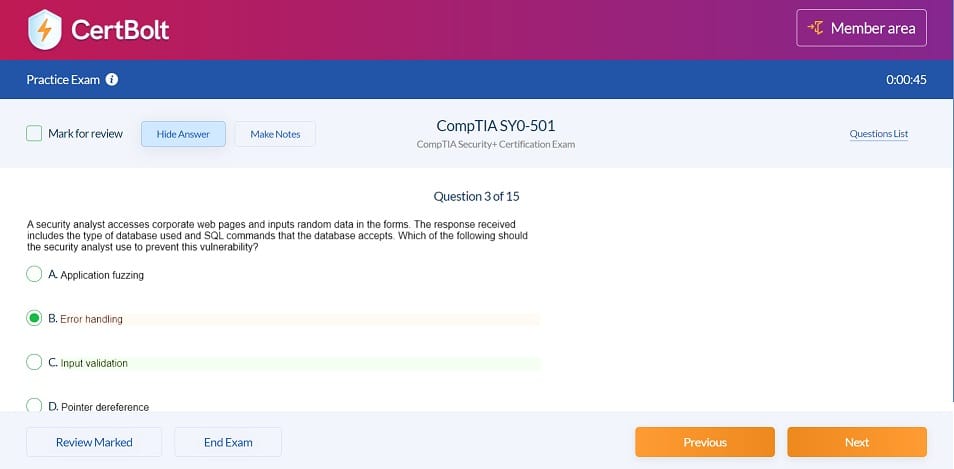
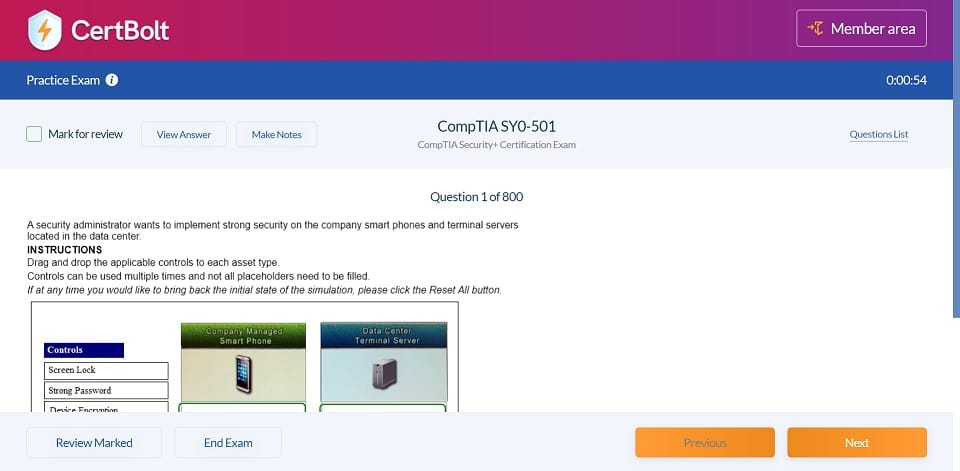
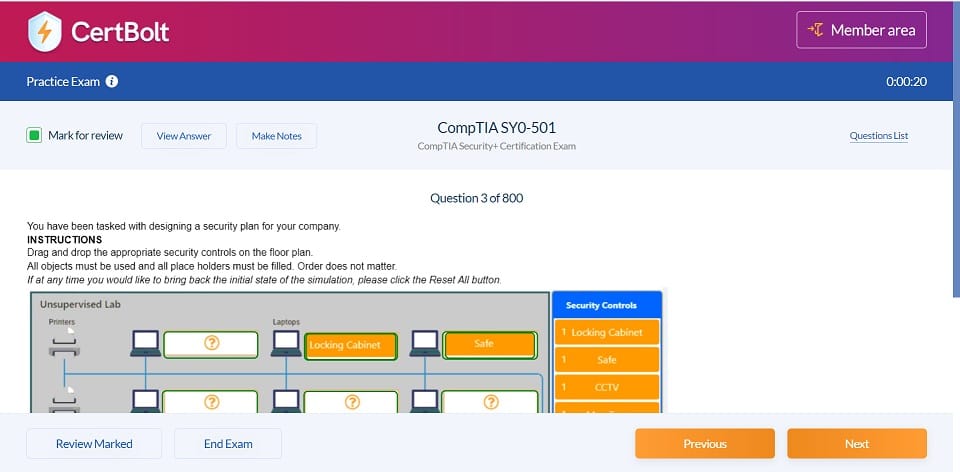
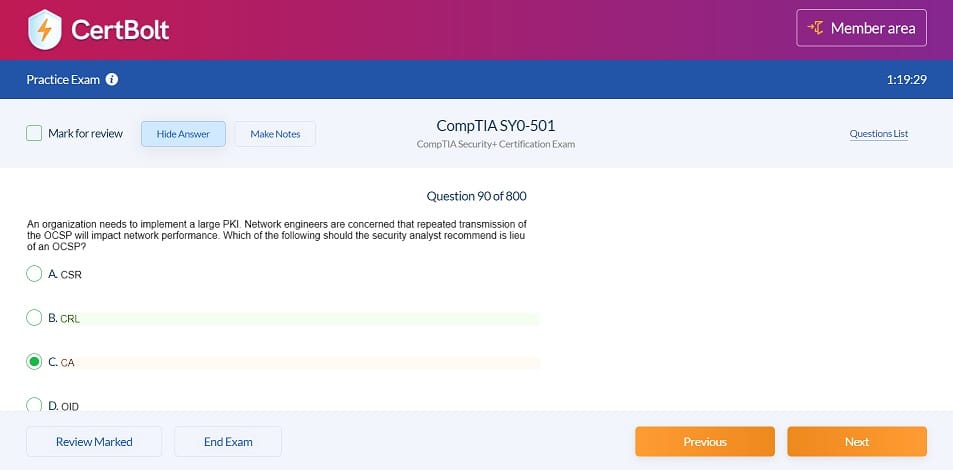
Includes 100% Updated GPEN exam questions types found on exam such as drag and drop, simulation, type in, and fill in the blank. Fast updates, accurate answers for GIAC GPEN exam. Exam Simulator Included!
-

GPEN Study Guide
621 PDF Pages
Study Guide developed by industry experts who have written exams in the past. Covers in-depth knowledge which includes Entire Exam Blueprint.
-
-
GIAC GPEN Exam Dumps, GIAC GPEN practice test questions
100% accurate & updated GIAC certification GPEN practice test questions & exam dumps for preparing. Study your way to pass with accurate GIAC GPEN Exam Dumps questions & answers. Verified by GIAC experts with 20+ years of experience to create these accurate GIAC GPEN dumps & practice test exam questions. All the resources available for Certbolt GPEN GIAC certification practice test questions and answers, exam dumps, study guide, video training course provides a complete package for your exam prep needs.
Understanding GIAC GPEN Certification: Skills, Exam, and Career Value
Cybersecurity has emerged as one of the most critical sectors in the modern digital world. As businesses increasingly rely on online platforms and digital infrastructures, the need to protect sensitive information has grown exponentially. Organizations across industries face constant threats from cybercriminals, ranging from data breaches and ransomware attacks to phishing schemes and insider threats. In response, cybersecurity professionals have become essential for safeguarding information systems and ensuring the continuity of business operations. A career in cybersecurity offers both exciting challenges and substantial rewards, including competitive salaries, opportunities for advancement, and the satisfaction of defending digital assets from sophisticated adversaries. Among the various certifications and credentials available, the GIAC Penetration Tester certification has gained recognition as a valuable credential for professionals looking to specialize in offensive security and penetration testing.
The role of a cybersecurity professional is dynamic, requiring a combination of technical expertise, problem-solving skills, and continuous learning. With the rapid evolution of technology, new vulnerabilities and attack methods emerge regularly, demanding that security experts stay ahead of potential threats. Professionals in this field are not only responsible for identifying weaknesses but also for implementing measures to protect systems, educating employees about cybersecurity risks, and assisting organizations in complying with security standards and regulations. The demand for skilled cybersecurity personnel continues to grow, making it an attractive career option for individuals passionate about technology, security, and analytical problem-solving. Within this context, obtaining a specialized certification like the GIAC Penetration Tester can be a strategic step toward establishing a successful career in cybersecurity.
What is GIAC GPEN Certification?
The GIAC Penetration Tester (GPEN) certification is a globally recognized credential offered by the Global Information Assurance Certification (GIAC) organization. It is a vendor-neutral certification designed to validate advanced-level penetration testing skills and practical expertise in identifying security weaknesses. Unlike some certifications that focus primarily on theoretical knowledge, the GPEN certification emphasizes practical application, requiring candidates to demonstrate their ability to perform penetration tests using industry-standard techniques and methodologies. This certification serves as a benchmark for employers seeking professionals capable of performing comprehensive security assessments and simulating real-world attacks to evaluate organizational defenses.
GIAC GPEN certification is designed for cybersecurity professionals who are already familiar with foundational security concepts and wish to advance their careers in penetration testing. It equips candidates with the skills necessary to plan and execute penetration tests, conduct detailed reconnaissance, exploit vulnerabilities, and document findings in a manner that can guide organizational security improvements. By achieving this certification, professionals demonstrate their proficiency in both technical and procedural aspects of penetration testing, making them valuable assets to organizations that prioritize robust security practices. GPEN certification holders are often seen as trusted advisors capable of identifying vulnerabilities that could otherwise be overlooked and providing actionable recommendations to mitigate risks.
Exam Structure and Requirements
The GIAC GPEN certification exam is structured to assess both practical skills and theoretical knowledge in penetration testing. Candidates must pass a rigorous assessment that tests their understanding of penetration testing methodologies, their ability to execute exploits, and their capacity to analyze and report findings effectively. The exam evaluates skills across multiple domains, including planning and scoping penetration tests, reconnaissance, vulnerability scanning, exploitation, post-exploitation activities, and password attacks. Candidates are expected to demonstrate competence in using tools and techniques commonly employed in the cybersecurity industry to identify and exploit security gaps.
There are no formal prerequisites for taking the GPEN exam; however, candidates typically benefit from prior experience in information security, network administration, or related fields. Hands-on experience with penetration testing tools, operating systems, networking protocols, and security concepts is highly recommended. The exam format includes multiple-choice questions that require not only factual knowledge but also the ability to apply concepts in practical scenarios. Passing the GPEN exam signifies that a candidate possesses a well-rounded understanding of penetration testing, including the ability to assess risks, plan tests, and communicate findings effectively to both technical and non-technical stakeholders. By meeting these requirements, candidates position themselves as skilled professionals ready to take on advanced roles in the cybersecurity industry.
Skills Acquired with GPEN Certification
Obtaining the GIAC GPEN certification equips professionals with a comprehensive set of skills that are critical for successful penetration testing and vulnerability assessment. One of the core competencies is reconnaissance, which involves gathering detailed information about target systems, networks, and applications to identify potential entry points for attacks. This stage is crucial for designing effective penetration tests and understanding the security posture of an organization. GPEN-certified professionals also develop expertise in scanning and exploitation techniques, enabling them to detect vulnerabilities and execute controlled attacks in a safe and ethical manner. These skills are essential for simulating real-world scenarios and evaluating the effectiveness of existing security measures.
Another important skill gained through GPEN certification is post-exploitation and pivoting, which involves navigating within compromised networks to assess the extent of potential damage and identify further vulnerabilities. Candidates learn how to conduct in-depth password attacks, assess system configurations, and uncover weaknesses that could be exploited by attackers. In addition to technical skills, GPEN certification emphasizes process-oriented penetration testing methodologies. This includes documenting procedures, reporting findings, and recommending security improvements in a structured and professional manner. By mastering these skills, professionals not only enhance their technical capabilities but also contribute to the strategic security goals of the organizations they serve.
Benefits of GIAC GPEN Certification
The GIAC GPEN certification offers numerous benefits for cybersecurity professionals seeking to advance their careers. One of the primary advantages is industry recognition. Holding a GPEN credential signals to employers that a professional has the knowledge, skills, and practical experience required to perform advanced penetration testing. This recognition can open doors to high-demand roles, increase employability, and position individuals as experts in offensive security. GPEN certification also provides practical skills that are directly applicable to real-world scenarios. Professionals learn to identify and exploit vulnerabilities, conduct thorough security assessments, and develop actionable recommendations to mitigate risks.
Career advancement is another key benefit of GPEN certification. Many organizations actively seek certified penetration testers for roles such as ethical hackers, red team specialists, security analysts, and cybersecurity consultants. These positions often come with competitive salaries, opportunities for specialization, and the chance to work on high-impact projects that protect critical systems and data. The certification also fosters professional growth by encouraging continuous learning. Penetration testers must stay current with emerging threats, new attack techniques, and the latest tools, ensuring that their skills remain relevant in a rapidly evolving field. By earning GPEN certification, professionals position themselves as knowledgeable, skilled, and adaptable experts in cybersecurity.
Who Should Pursue GPEN Certification
The GIAC GPEN certification is suitable for a wide range of cybersecurity professionals who want to specialize in penetration testing and offensive security. Individuals who already work in network security, system administration, or information security roles can benefit from GPEN certification by gaining specialized skills that enhance their value to employers. Security analysts, ethical hackers, and IT professionals who wish to transition into penetration testing will find the certification particularly useful. GPEN certification is also beneficial for those aiming to join red or blue teams, as it provides a solid foundation in offensive tactics that can inform defensive strategies.
Aspiring penetration testers who are early in their cybersecurity careers may choose to pursue foundational certifications before attempting GPEN, but motivated individuals with hands-on experience in security concepts can also succeed. Professionals seeking career growth, higher salaries, or opportunities to work on complex security projects will find GPEN certification to be a strategic investment. Additionally, organizations often encourage or sponsor employees to earn GPEN certification to strengthen their internal security capabilities. By pursuing GPEN, candidates demonstrate a commitment to professional development and a willingness to acquire advanced skills that are highly valued in the cybersecurity industry.
Career Opportunities with GPEN Certification
Obtaining GIAC GPEN certification opens the door to a variety of career opportunities within the cybersecurity field. One of the most common paths is penetration testing, where professionals are responsible for simulating attacks on systems and networks to identify vulnerabilities. Penetration testers work closely with security teams to assess the effectiveness of defenses, develop mitigation strategies, and ensure that systems are resilient against cyber threats. The role requires a combination of technical proficiency, analytical thinking, and the ability to communicate findings clearly to stakeholders. GPEN-certified penetration testers are highly sought after because they can apply industry-standard methodologies and tools to perform thorough and reliable security assessments.
Ethical hacking is another career path for GPEN-certified professionals. Ethical hackers leverage hacking techniques in a controlled, legal environment to uncover weaknesses and strengthen organizational security. They may conduct vulnerability assessments, test application security, and provide recommendations to mitigate risks before malicious actors exploit them. GPEN certification provides the skills and credibility necessary to excel in ethical hacking roles, helping organizations proactively defend against cyberattacks. Professionals in these roles often collaborate with IT teams, security analysts, and management to implement effective security measures and ensure compliance with regulations.
Red team positions are also a natural fit for GPEN-certified individuals. Red team members simulate sophisticated attacks to test an organization's overall security posture. They use a variety of tactics, techniques, and procedures to mimic real-world threats and assess the effectiveness of defensive measures. By identifying vulnerabilities and weaknesses, red team specialists provide actionable insights that help organizations strengthen their defenses. GPEN certification equips professionals with the skills needed to excel in red team roles, including reconnaissance, exploitation, and post-exploitation activities. This expertise is crucial for organizations seeking to identify and remediate vulnerabilities before they can be exploited by actual attackers.
Blue team roles offer another career opportunity for GPEN-certified professionals. Blue team members focus on defending systems, networks, and data from cyberattacks. By understanding offensive tactics, GPEN-certified individuals in blue team roles can anticipate potential attack vectors, develop proactive defense strategies, and respond effectively to incidents. The knowledge gained through GPEN certification allows blue team members to better understand how attackers operate, improving threat detection, incident response, and overall security posture. In addition to red and blue team work, GPEN certification can benefit cybersecurity auditors, forensic analysts, and defenders who want to strengthen their understanding of offensive techniques to enhance defensive strategies.
Understanding Penetration Testing Methodologies
A core component of GPEN certification is mastering penetration testing methodologies. These methodologies provide a structured approach to identifying, exploiting, and mitigating vulnerabilities within systems and networks. Penetration testing typically begins with careful planning and scoping, where professionals define the objectives, scope, and rules of engagement for a security assessment. This step ensures that tests are conducted safely, ethically, and within the boundaries agreed upon with the organization. Effective planning also involves identifying critical assets, potential threats, and the tools and techniques that will be employed during testing.
Reconnaissance is the next stage in penetration testing, involving the collection of information about target systems, networks, and applications. GPEN-certified professionals learn how to perform both passive and active reconnaissance, using tools and techniques to gather data without alerting potential adversaries. Scanning and enumeration follow reconnaissance, where testers identify live systems, open ports, services, and potential vulnerabilities. Exploitation involves leveraging discovered weaknesses to gain unauthorized access or escalate privileges. Post-exploitation and pivoting allow testers to explore compromised systems, assess the extent of access, and identify additional vulnerabilities that may be exploited. Throughout the process, meticulous documentation and reporting ensure that findings are communicated effectively to stakeholders, enabling informed decision-making and improved security.
Tools and Techniques for GPEN Professionals
GPEN-certified professionals are trained to use a wide range of tools and techniques commonly employed in penetration testing. These include network scanning tools, vulnerability assessment platforms, exploitation frameworks, and password-cracking utilities. Knowledge of operating systems, network protocols, and common software vulnerabilities is essential for effective testing. Professionals also learn techniques for evading detection, simulating advanced attacks, and safely conducting tests in live environments. In addition to technical tools, GPEN certification emphasizes the importance of documentation, reporting, and adherence to ethical standards. By mastering both technical and procedural aspects of penetration testing, professionals can deliver comprehensive security assessments that help organizations identify and remediate vulnerabilities effectively.
Introduction to Career Opportunities with GIAC GPEN Certification
The GIAC Penetration Tester (GPEN) certification opens the door to a wide range of career opportunities in the cybersecurity field. As organizations increasingly rely on digital infrastructure, the need for skilled cybersecurity professionals has grown dramatically. A GPEN-certified professional is equipped with advanced skills in penetration testing, vulnerability assessment, and security evaluation, making them highly sought after by employers. The certification not only validates technical expertise but also demonstrates the ability to think like an attacker while maintaining ethical standards. These skills are crucial for organizations aiming to protect their data, systems, and networks from increasingly sophisticated cyber threats.
Cybersecurity roles vary widely in scope, responsibilities, and specialization. While some positions focus on offensive tactics, such as ethical hacking and red teaming, others emphasize defensive strategies, risk mitigation, and compliance. GPEN certification provides professionals with a comprehensive understanding of both offensive and defensive techniques, making it a versatile credential for advancing in multiple career paths. In addition to technical proficiency, GPEN-certified professionals are often tasked with analyzing security policies, reporting vulnerabilities, and developing strategies that balance risk and operational needs. As a result, the certification offers access to high-demand roles, career growth, and opportunities to work on complex, impactful cybersecurity projects.
Penetration Tester Roles
One of the most prominent career paths for GPEN-certified professionals is penetration testing. Penetration testers are responsible for identifying and exploiting vulnerabilities in systems, networks, and applications to evaluate an organization’s security posture. Their work simulates real-world cyberattacks to identify weaknesses before malicious actors can exploit them. GPEN-certified penetration testers are trained in advanced reconnaissance, vulnerability scanning, exploitation, and post-exploitation techniques, allowing them to conduct thorough and effective security assessments. They also provide detailed reports that outline their findings, assess the potential impact of vulnerabilities, and recommend corrective measures.
A penetration tester’s role extends beyond technical testing. It includes planning and scoping penetration tests, understanding organizational risk tolerance, and collaborating with management to implement security improvements. GPEN-certified professionals often engage with cross-functional teams, including IT administrators, security analysts, and compliance officers, to ensure that vulnerabilities are mitigated effectively. These roles require critical thinking, attention to detail, and the ability to anticipate attacker behavior. Penetration testers frequently stay updated on the latest cyber threats, attack vectors, and testing tools to remain effective in their assessments. Their work is essential for preventing data breaches, securing sensitive information, and maintaining regulatory compliance across industries.
Ethical Hacker Opportunities
Ethical hacking is another career path closely aligned with GPEN certification. Ethical hackers use the same techniques and tools as malicious hackers but operate within legal and authorized boundaries. Their primary objective is to uncover vulnerabilities and provide actionable recommendations to strengthen an organization’s security posture. GPEN certification equips professionals with the knowledge and practical skills to perform ethical hacking in a structured, repeatable, and professional manner. This includes reconnaissance, social engineering testing, network exploitation, and application security testing.
Ethical hackers often work alongside security teams to develop proactive defense strategies. They assess the resilience of systems against common threats, simulate attacks to test incident response procedures, and identify gaps in security policies. Ethical hacking roles require strong communication skills, as professionals must explain technical findings to management and provide guidance for implementing effective security measures. By leveraging GPEN certification, ethical hackers gain credibility and authority in their field, enhancing their career prospects and positioning them as trusted security advisors. The growing demand for ethical hackers reflects the increasing need for organizations to adopt proactive security measures to prevent costly breaches and attacks.
Red Team Specialist Roles
Red team specialists represent an advanced career path for GPEN-certified professionals. Red teams are responsible for simulating sophisticated, real-world attacks against an organization’s systems, networks, and personnel. Their objective is to test the effectiveness of security controls, identify weaknesses, and provide insights that improve overall defense strategies. GPEN certification prepares professionals for red team engagements by teaching offensive tactics, advanced exploitation techniques, and strategic planning for targeted attacks.
Red team members work in collaboration with blue teams to conduct realistic attack simulations, often using a combination of technical, social engineering, and physical testing techniques. Their role requires creativity, analytical thinking, and the ability to anticipate how attackers might exploit vulnerabilities. GPEN-certified professionals in red team roles help organizations identify potential threats before they materialize, making them indispensable for risk assessment and security improvement initiatives. Career progression in red teaming can lead to senior advisory positions, team leadership roles, and opportunities to influence organizational security policies at a strategic level.
Blue Team Specialist Roles
While red teams focus on offense, blue team specialists concentrate on defending systems, networks, and applications from attacks. GPEN-certified professionals transitioning into blue team roles benefit from a deep understanding of offensive tactics, which enhances their ability to anticipate and mitigate threats. Blue team specialists monitor network activity, analyze security logs, respond to incidents, and implement preventative measures to protect organizational assets. Their knowledge of penetration testing techniques allows them to identify vulnerabilities proactively and strengthen existing security protocols.
Blue team roles require collaboration with other security functions, including incident response, threat intelligence, and compliance teams. GPEN certification equips professionals with insights into attacker behavior, helping them develop comprehensive defense strategies and improve security monitoring capabilities. By understanding the methods used by attackers, blue team members can implement layered security controls, detect anomalies faster, and respond effectively to potential breaches. This combination of offensive knowledge and defensive expertise positions GPEN-certified professionals as highly valuable contributors to organizational cybersecurity initiatives.
Cybersecurity Auditor and Forensic Roles
GPEN certification is also advantageous for professionals pursuing roles in cybersecurity auditing and digital forensics. Auditors evaluate the effectiveness of security policies, procedures, and controls, ensuring that organizations comply with industry standards and regulations. Forensic analysts investigate security incidents, analyze digital evidence, and help organizations recover from breaches. GPEN-certified professionals bring a unique perspective to these roles by understanding offensive techniques, which allows them to anticipate how attackers might compromise systems and identify areas that require stronger protections.
Auditors with GPEN certification can perform risk assessments, review penetration test results, and recommend improvements to security frameworks. Forensic analysts leverage knowledge of penetration testing methodologies to trace attack paths, analyze malware, and identify vulnerabilities that were exploited during breaches. This dual understanding of offense and defense enhances their ability to provide actionable recommendations and improve organizational resilience. Career growth in auditing and forensics often includes leadership roles, specialized consulting positions, and opportunities to work with regulatory agencies or high-profile clients, making GPEN certification a valuable asset for professionals seeking advancement.
Salary Expectations and Market Demand
The demand for GPEN-certified professionals continues to rise as organizations recognize the importance of skilled penetration testers, ethical hackers, and cybersecurity specialists. Salaries for these roles are competitive, reflecting the high level of expertise and practical experience required. Penetration testers, for example, can expect salaries ranging from moderate to high levels depending on experience, industry, and geographical location. Ethical hackers and red team specialists often earn higher compensation due to the specialized nature of their skills and the critical value they provide to organizations.
Market demand for GPEN-certified professionals spans industries including finance, healthcare, technology, government, and defense. Organizations in these sectors face heightened regulatory requirements, increasing the need for advanced security assessments and proactive defense measures. The global shortage of skilled cybersecurity professionals further amplifies the value of certifications like GPEN. Professionals who hold this credential are not only in demand for technical expertise but also for their ability to provide strategic insights and guidance on improving organizational security practices. As cyber threats continue to evolve, the career prospects and earning potential for GPEN-certified individuals remain strong and promising.
Skills that Enhance Career Growth
Beyond the technical expertise gained through GPEN certification, professionals develop a range of soft and analytical skills that enhance career growth. Critical thinking, problem-solving, and attention to detail are essential for identifying vulnerabilities and assessing their potential impact. Communication skills are equally important, as GPEN-certified professionals must explain complex technical findings to management, non-technical stakeholders, and clients in a clear and actionable manner. Project management skills also play a role, particularly when planning and executing penetration tests, coordinating red team exercises, or managing security initiatives.
Another key skill developed through GPEN certification is the ability to stay current with emerging threats, attack methods, and security technologies. Cybersecurity is a constantly evolving field, and professionals who continuously update their knowledge are better equipped to anticipate and mitigate risks. Networking and collaboration are also important, as professionals often engage with peers, industry experts, and security communities to share knowledge, tools, and strategies. These skills, combined with the technical foundation provided by GPEN certification, position professionals for long-term career growth, leadership opportunities, and the ability to make a meaningful impact on organizational security.
Transitioning Between Roles
One of the advantages of GPEN certification is its versatility, allowing professionals to transition between various roles in cybersecurity. For instance, a penetration tester with GPEN certification can expand into ethical hacking or red team positions, leveraging existing skills while gaining additional expertise in advanced attack simulations. Similarly, a GPEN-certified professional in a blue team role can apply offensive knowledge to enhance defensive strategies, threat detection, and incident response capabilities. The certification provides a foundation that supports growth across offensive, defensive, and analytical cybersecurity domains.
Transitioning between roles often involves gaining practical experience, developing specialized skills, and pursuing additional certifications or training. GPEN certification serves as a strong credential that demonstrates both technical proficiency and a commitment to professional development. Professionals can strategically navigate career pathways based on their interests, strengths, and long-term goals, whether that involves specializing in penetration testing, focusing on defensive operations, or pursuing leadership roles in cybersecurity management. This flexibility makes GPEN certification an attractive investment for individuals seeking diverse career opportunities and long-term growth in the cybersecurity field.
Professional Networking and Community Engagement
In addition to technical skills and career opportunities, GPEN certification encourages engagement with professional networks and cybersecurity communities. Networking with peers, mentors, and industry experts provides access to valuable insights, best practices, and emerging trends. Attending conferences, workshops, and webinars allows GPEN-certified professionals to stay informed about the latest threats, tools, and methodologies, enhancing their effectiveness in professional roles. Participation in forums, discussion groups, and collaborative projects also facilitates knowledge sharing and professional growth.
Community engagement can lead to career advancement opportunities, collaborations on security projects, and recognition within the industry. GPEN-certified professionals often become thought leaders, contributing to research, publications, or presentations that shape best practices in penetration testing and offensive security. By actively participating in the cybersecurity community, professionals not only enhance their skills but also build credibility, visibility, and influence within the field. This aspect of professional development complements the technical expertise gained through GPEN certification, providing a well-rounded foundation for career success.
Leveraging GPEN Certification for Strategic Impact
GPEN-certified professionals are uniquely positioned to contribute strategically to an organization’s security posture. Their ability to identify vulnerabilities, simulate attacks, and provide actionable recommendations enables organizations to prioritize resources, strengthen defenses, and mitigate risks effectively. Beyond technical execution, GPEN-certified professionals often advise management on security policies, risk management strategies, and compliance initiatives. This strategic contribution enhances organizational resilience, reduces the likelihood of costly breaches, and supports informed decision-making at the executive level.
In addition, GPEN certification demonstrates a professional’s commitment to continuous learning, ethical conduct, and technical excellence. Organizations value this combination of credibility, expertise, and strategic insight, often offering opportunities for leadership, specialized project work, or consulting engagements. The certification therefore serves not only as a technical credential but also as a career accelerator, enabling professionals to shape organizational security strategy while advancing their own career objectives. By leveraging GPEN certification effectively, professionals can achieve long-term career success, influence cybersecurity practices, and make a measurable impact on organizational outcomes.
Introduction to Job Responsibilities of GPEN-Certified Professionals
A GIAC Penetration Tester (GPEN) certification equips cybersecurity professionals with specialized knowledge in penetration testing, vulnerability assessment, and security evaluation. While technical skills are central to these roles, the responsibilities of GPEN-certified professionals extend far beyond simply identifying vulnerabilities. Organizations increasingly rely on these professionals to enhance overall security posture, provide strategic insights, and ensure compliance with industry standards. Understanding the job responsibilities associated with GPEN certification is essential for aspiring candidates seeking a career in cybersecurity. These roles combine offensive tactics, defensive awareness, documentation, and communication, providing a comprehensive approach to protecting organizational assets.
GPEN-certified professionals work across diverse industries, including finance, healthcare, technology, government, and defense. Their work is often mission-critical, involving simulations of real-world attacks, thorough testing of systems, and recommendations for mitigating risk. Beyond technical execution, these professionals are tasked with collaborating with teams, analyzing potential threats, and contributing to the development of robust security strategies. By mastering these responsibilities, GPEN-certified professionals provide measurable value to organizations, ensuring systems remain resilient against increasingly sophisticated cyber threats. The role demands continuous learning, adaptability, and a commitment to ethical practices in cybersecurity.
Conducting Vulnerability Assessments
One of the core responsibilities of GPEN-certified professionals is conducting comprehensive vulnerability assessments. This involves systematically evaluating systems, networks, and applications to identify weaknesses that could be exploited by malicious actors. Professionals use a combination of automated tools and manual techniques to detect potential vulnerabilities, ranging from misconfigured systems and outdated software to insecure network protocols and weak authentication mechanisms. These assessments are essential for understanding the security posture of an organization and informing strategies for risk mitigation.
The process of vulnerability assessment begins with reconnaissance, where professionals gather information about target systems and networks. This stage includes identifying assets, mapping network topologies, and understanding system configurations. Once sufficient information is collected, GPEN-certified professionals perform scans and manual tests to uncover vulnerabilities, prioritizing findings based on severity and potential impact. Detailed reports are then created to summarize identified risks, recommended actions, and potential consequences of exploitation. By conducting thorough vulnerability assessments, GPEN-certified professionals help organizations prevent breaches and reduce the likelihood of costly security incidents.
Performing Penetration Tests
Penetration testing is a critical aspect of the responsibilities of GPEN-certified professionals. Unlike vulnerability assessments, penetration testing involves actively attempting to exploit vulnerabilities to assess the effectiveness of security controls. This practice allows organizations to understand how an attacker might gain unauthorized access and the potential consequences of such breaches. GPEN-certified professionals are trained in both technical execution and ethical practices, ensuring that penetration tests are conducted safely and within agreed-upon boundaries.
Penetration tests typically follow a structured methodology that includes planning, reconnaissance, scanning, exploitation, post-exploitation, and reporting. Planning involves defining the scope, objectives, and rules of engagement for the test. Reconnaissance gathers information about the target, followed by scanning and enumeration to identify live systems, open ports, and potential vulnerabilities. Exploitation tests the feasibility of attacks, while post-exploitation evaluates the impact and potential for lateral movement within the network. Finally, detailed reporting communicates findings and actionable recommendations to stakeholders. Penetration testing provides organizations with insights into real-world risks, helping them implement effective security measures.
Social Engineering and Human Factor Testing
GPEN-certified professionals also engage in social engineering assessments, evaluating the human element of security. Social engineering exploits human behavior, manipulating individuals to reveal sensitive information or perform actions that compromise security. Common techniques include phishing emails, pretexting, baiting, and tailgating. By simulating these attacks, GPEN-certified professionals identify weaknesses in employee awareness and organizational procedures.
Human factor testing is essential because many security breaches occur due to human error rather than technical vulnerabilities. GPEN-certified professionals design social engineering campaigns that are ethical, controlled, and non-disruptive, ensuring that organizations gain valuable insights without causing harm. Findings from these tests are used to improve security awareness, train employees, and implement policies that mitigate human risk. This aspect of the role demonstrates that effective cybersecurity extends beyond technology, encompassing people, processes, and organizational culture.
Network Security Evaluation
Evaluating network security is a primary responsibility for GPEN-certified professionals. Networks form the backbone of an organization’s digital infrastructure, and vulnerabilities in network configurations can have significant consequences. Professionals assess network topology, firewall configurations, intrusion detection and prevention systems, and access controls. They also test communication protocols, evaluate encryption methods, and examine potential attack surfaces within internal and external networks.
GPEN-certified professionals employ a combination of automated scanning tools, manual testing, and simulation techniques to identify weaknesses in network security. They analyze how attackers could traverse the network, exploit services, or escalate privileges. By understanding potential attack paths, professionals provide actionable recommendations to strengthen network defenses. This work not only protects sensitive data but also ensures compliance with regulatory standards and industry best practices. Effective network security evaluation requires technical expertise, analytical thinking, and the ability to communicate findings clearly to stakeholders.
Application and Software Security Testing
In addition to network evaluation, GPEN-certified professionals are responsible for testing application and software security. Applications often serve as entry points for attackers, making their security critical. Professionals assess web applications, mobile apps, APIs, and internal software for vulnerabilities such as SQL injection, cross-site scripting, insecure authentication, and improper data handling. Testing involves both automated vulnerability scanning and manual code review to identify flaws that automated tools might miss.
GPEN-certified professionals collaborate with development teams to provide actionable recommendations for mitigating risks in software applications. They also help prioritize vulnerabilities based on severity, potential impact, and exploitability. Regular testing ensures that applications remain secure as they are updated, patched, or modified. By addressing software vulnerabilities proactively, GPEN-certified professionals prevent exploitation, protect sensitive information, and maintain the integrity and reliability of business-critical applications.
Documentation and Reporting
Documentation and reporting are integral responsibilities for GPEN-certified professionals. Technical findings must be communicated clearly, accurately, and in a way that can guide decision-making. Professionals prepare detailed reports summarizing vulnerabilities, their potential impact, and recommended mitigation strategies. These reports are tailored for different audiences, including technical teams, management, and executives, ensuring that the information is actionable and comprehensible.
Effective reporting requires attention to detail, structured organization, and clear explanations. GPEN-certified professionals provide evidence-based assessments, including screenshots, logs, and step-by-step documentation of testing procedures. Reports often include risk ratings, mitigation plans, and suggestions for policy improvements. By providing thorough and precise documentation, professionals enable organizations to take informed actions, prioritize security investments, and demonstrate compliance with regulatory requirements. Reporting skills complement technical expertise, reinforcing the professional value of GPEN-certified individuals.
Security Policy Evaluation
GPEN-certified professionals often evaluate organizational security policies as part of their responsibilities. Security policies define acceptable use, access controls, incident response procedures, and compliance requirements. Professionals assess whether existing policies adequately address current threats and vulnerabilities. They identify gaps, inconsistencies, or outdated protocols that could expose the organization to risk.
Evaluating security policies requires a combination of technical understanding and analytical insight. GPEN-certified professionals compare policies against best practices, regulatory standards, and industry frameworks. Recommendations may include updates to access management, improved incident response procedures, or enhanced employee training programs. By aligning policies with technical security assessments, professionals help organizations maintain a comprehensive and proactive security posture. Policy evaluation ensures that security practices are consistent, enforceable, and effective in reducing risk exposure.
Continuous Learning and Threat Awareness
One of the defining responsibilities of GPEN-certified professionals is maintaining continuous learning and awareness of emerging threats. Cybersecurity is a rapidly evolving field, with new attack techniques, malware, vulnerabilities, and threat actors emerging constantly. Professionals must stay informed about the latest developments, tools, and security research to remain effective in their roles. GPEN certification encourages a mindset of continuous improvement, ethical practice, and professional growth.
GPEN-certified professionals often participate in training programs, workshops, webinars, and industry conferences. They follow cybersecurity news, research publications, and threat intelligence feeds to anticipate potential risks. Continuous learning allows professionals to apply up-to-date knowledge in penetration testing, vulnerability assessment, and security strategy development. By staying ahead of emerging threats, GPEN-certified individuals ensure that their organizations are prepared to defend against sophisticated attacks and maintain resilience in an ever-changing digital landscape.
Ethical Responsibilities
Ethics are a cornerstone of the responsibilities of GPEN-certified professionals. Penetration testers and security analysts operate with privileged access and the potential to cause significant impact if actions are misused. Ethical conduct ensures that all testing activities are authorized, legal, and focused on improving security rather than exploiting vulnerabilities. Professionals adhere to established codes of conduct, organizational policies, and legal frameworks to maintain trust and accountability.
Ethical responsibilities also extend to confidentiality, reporting accuracy, and professional integrity. GPEN-certified professionals must handle sensitive information responsibly, disclose vulnerabilities appropriately, and avoid actions that could harm the organization or individuals. Upholding these ethical standards not only protects organizations but also enhances the credibility and reputation of the professional. Ethics in cybersecurity is not optional; it is a fundamental aspect of responsible practice and professional development.
Collaboration and Teamwork
GPEN-certified professionals often work in collaborative environments, coordinating with IT teams, security analysts, developers, management, and external consultants. Effective collaboration is essential for planning penetration tests, executing assessments, analyzing results, and implementing recommendations. Professionals contribute their technical expertise while integrating insights from other team members to develop comprehensive security strategies.
Teamwork also involves mentoring junior staff, sharing knowledge, and fostering a culture of security awareness within the organization. GPEN-certified professionals may participate in cross-functional security exercises, red team and blue team collaborations, and incident response drills. Strong interpersonal skills, communication, and the ability to work in diverse teams are essential for success. Collaboration enhances the impact of GPEN-certified professionals, enabling organizations to implement cohesive and effective cybersecurity measures.
Technical Tools and Software Management
GPEN-certified professionals are responsible for selecting, configuring, and managing technical tools and software used for penetration testing and security assessments. These tools include network scanners, vulnerability assessment platforms, exploitation frameworks, password-cracking utilities, and forensic software. Professionals must ensure that tools are used effectively, securely, and ethically, maintaining system integrity and avoiding unintentional disruption.
Tool management involves staying current with updates, patches, and emerging technologies. Professionals evaluate the effectiveness of new software, integrate automation where appropriate, and ensure compliance with organizational standards. By effectively managing technical tools, GPEN-certified professionals enhance testing efficiency, improve accuracy, and provide organizations with reliable assessments of security vulnerabilities.
Strategic Contribution to Organizational Security
GPEN-certified professionals contribute strategically to organizational security by providing insights that inform policy, risk management, and resource allocation. Their ability to simulate attacks, identify vulnerabilities, and recommend mitigations allows organizations to prioritize security investments and strengthen defenses. Professionals often advise leadership on emerging threats, potential impacts, and best practices for improving resilience.
Strategic contributions may also include designing security frameworks, developing incident response protocols, and recommending technology solutions that align with business objectives. GPEN-certified professionals bridge the gap between technical execution and strategic decision-making, ensuring that security initiatives are effective, sustainable, and aligned with organizational goals. Their expertise enhances organizational readiness and supports long-term cybersecurity objectives.
Introduction to GIAC GPEN Exam and Career Advancement
The GIAC Penetration Tester (GPEN) certification is a highly respected credential in the cybersecurity field, recognized for validating advanced penetration testing and vulnerability assessment skills. Professionals who earn this certification demonstrate their ability to simulate real-world attacks, identify system weaknesses, and provide actionable recommendations for improving organizational security. For individuals seeking to build a successful career in cybersecurity, GPEN certification serves as a gateway to diverse roles, including penetration tester, ethical hacker, red team specialist, blue team analyst, and cybersecurity auditor. Understanding the exam structure, preparation strategies, and post-certification opportunities is essential for achieving success and maximizing career growth.
Cybersecurity is a rapidly evolving industry, with new threats, attack techniques, and defense strategies emerging constantly. GPEN-certified professionals are not only technically proficient but also capable of applying practical methodologies to assess, exploit, and secure systems effectively. Their expertise allows organizations to mitigate risk, comply with regulatory requirements, and maintain robust security postures. Preparing for the GPEN exam requires a strategic approach that combines theoretical study, hands-on practice, and understanding of industry-standard penetration testing methodologies. Professionals who plan and execute their preparation carefully increase their chances of passing the exam on the first attempt and advancing their careers significantly.
Exam Overview
The GIAC GPEN exam is designed to assess a candidate’s knowledge and practical skills in penetration testing, network security evaluation, and vulnerability assessment. The exam covers multiple domains, including planning and scoping penetration tests, reconnaissance, scanning, exploitation, post-exploitation, and password attacks. Candidates must demonstrate both theoretical understanding and practical application of techniques and tools used in real-world security assessments. The exam format typically includes multiple-choice questions that test knowledge, scenario-based questions requiring analytical thinking, and practical scenarios simulating real-life penetration testing tasks.
Passing the GPEN exam signifies that the candidate possesses a well-rounded understanding of penetration testing principles and is capable of conducting professional security assessments. The exam evaluates skills in technical execution, documentation, reporting, and ethical practice. Candidates are expected to understand the legal and organizational implications of penetration testing and demonstrate the ability to communicate findings effectively to both technical and non-technical stakeholders. Achieving certification provides professional recognition, enhances credibility, and validates expertise in offensive security techniques, making it a valuable credential for career growth in cybersecurity.
Step-by-Step Preparation Guide
Successful preparation for the GPEN exam requires a structured and disciplined approach. Candidates should begin by reviewing the exam objectives and understanding the knowledge areas and skills tested. Creating a study plan that allocates sufficient time for theoretical learning, hands-on practice, and review of practical scenarios is critical. Candidates are advised to start with foundational concepts, including networking, operating systems, protocols, and basic security principles, before progressing to advanced penetration testing techniques.
Hands-on practice is essential for GPEN exam success. Candidates should engage in lab exercises, virtual environments, and simulations to gain experience in reconnaissance, scanning, exploitation, and post-exploitation tasks. Practicing with commonly used penetration testing tools, such as network scanners, vulnerability assessment platforms, and exploitation frameworks, helps develop proficiency and confidence. Scenario-based exercises that mimic real-world attacks provide insight into problem-solving under realistic conditions. Regular review of study materials, note-taking, and testing knowledge through practice exams further reinforce understanding and identify areas requiring additional focus.
Recommended Learning Resources
A variety of learning resources can support GPEN exam preparation. Official GIAC training courses provide structured content aligned with the exam objectives, including lectures, hands-on labs, and guided exercises. Supplementary study materials, such as textbooks, online tutorials, video courses, and practice labs, offer additional perspectives and examples. Cybersecurity forums, discussion groups, and professional communities provide valuable insights, tips, and advice from individuals who have successfully completed the exam.
Practice exams and lab simulations are particularly beneficial, as they replicate the types of questions and scenarios encountered on the GPEN exam. Candidates should focus on understanding the reasoning behind correct answers and identifying mistakes during practice exercises. Collaborative learning, study groups, and mentorship from experienced penetration testers can also enhance preparation by offering guidance, answering questions, and providing feedback on practical exercises. A well-rounded approach combining multiple resources ensures comprehensive coverage of exam topics and strengthens candidates’ confidence and readiness.
Exam-Taking Strategies
Strategic exam-taking techniques can significantly improve performance on the GPEN exam. Time management is critical, as candidates must balance speed with accuracy. Approaching questions methodically, reading scenarios carefully, and eliminating incorrect options helps improve accuracy. For practical scenarios, candidates should apply structured methodologies, document their steps clearly, and focus on demonstrating practical understanding rather than guessing answers. Remaining calm, managing stress, and pacing oneself throughout the exam contribute to optimal performance.
Familiarity with exam tools, lab environments, and question formats is an important aspect of strategy. Candidates should practice using virtual labs and testing tools under timed conditions to simulate exam scenarios. Reviewing exam objectives and focusing on high-weighted topics ensures efficient study prioritization. Additionally, candidates should maintain ethical awareness and adhere to best practices during practical exercises, demonstrating professionalism and responsible handling of information. By combining thorough preparation with effective exam strategies, candidates increase their likelihood of passing the GPEN exam successfully.
Post-Certification Career Growth
Achieving GPEN certification opens numerous opportunities for career advancement. Certified professionals are often considered for higher-level roles in penetration testing, red and blue team operations, ethical hacking, and cybersecurity consulting. Organizations value GPEN-certified individuals for their technical proficiency, practical experience, and ability to provide actionable insights that enhance security posture. This recognition often leads to promotions, salary increases, and access to strategic projects that influence organizational cybersecurity initiatives.
Post-certification, professionals can specialize further in areas such as advanced penetration testing, incident response, threat hunting, or security architecture. Leadership opportunities, such as managing security teams or consulting engagements, become accessible as individuals demonstrate expertise and credibility. GPEN certification also provides a foundation for pursuing additional advanced certifications, expanding skillsets, and staying competitive in a rapidly evolving industry. Career growth after GPEN certification is not limited to technical roles; professionals can also transition into advisory positions, governance, risk management, and cybersecurity strategy, making the credential a versatile asset for long-term career planning.
Networking and Community Engagement
Networking and community engagement are crucial for leveraging GPEN certification effectively. Professionals who actively participate in cybersecurity communities, conferences, and workshops gain exposure to emerging trends, new tools, and best practices. Engaging with peers and mentors provides opportunities to exchange knowledge, discuss complex scenarios, and receive guidance on professional development. Collaboration within professional networks enhances problem-solving, supports skill growth, and fosters innovation in cybersecurity practices.
GPEN-certified professionals can contribute to the community by sharing experiences, conducting workshops, mentoring aspiring testers, or publishing research on penetration testing methodologies. Active involvement establishes credibility, visibility, and influence within the field. Networking also facilitates career opportunities, consulting engagements, and collaborations on complex security projects. By combining technical expertise with community engagement, GPEN-certified individuals enhance their professional reputation, broaden career prospects, and remain connected to the latest developments in cybersecurity.
Tools and Techniques for Ongoing Success
The skills and tools mastered during GPEN certification are essential for ongoing success in professional roles. Regular practice with penetration testing frameworks, vulnerability scanners, exploitation tools, and forensic utilities ensures proficiency remains current. GPEN-certified professionals must also stay informed about new attack methods, malware, and security vulnerabilities to maintain effectiveness in their roles. Continuous improvement in technical skills, methodologies, and tool usage allows professionals to deliver high-quality assessments and contribute strategically to organizational security.
Professional success also involves developing complementary skills, including analytical thinking, reporting, communication, and project management. GPEN-certified professionals often lead security assessments, coordinate teams, and present findings to executive management. By integrating technical skills with strategic insight and soft skills, individuals maximize their impact, ensure organizations remain secure, and establish themselves as trusted experts in cybersecurity.
Ethical and Professional Considerations
Ethics and professionalism remain central to the work of GPEN-certified professionals. Conducting penetration tests, simulating attacks, and accessing sensitive information carry significant responsibility. Professionals must adhere to legal standards, organizational policies, and ethical codes of conduct to ensure testing activities are authorized, safe, and effective. Maintaining confidentiality, accuracy in reporting, and integrity in all professional interactions is essential for building trust and credibility.
GPEN-certified professionals also have a responsibility to advocate for security best practices within organizations. By demonstrating ethical behavior, providing guidance on mitigation strategies, and promoting awareness of emerging threats, professionals contribute to a culture of security. This ethical foundation strengthens both individual reputation and organizational resilience, reinforcing the long-term value of GPEN certification in professional careers.
Continuous Learning and Professional Development
Cybersecurity is a dynamic and rapidly evolving field, making continuous learning a key responsibility for GPEN-certified professionals. Staying updated on new technologies, vulnerabilities, threat intelligence, and best practices ensures professionals remain effective and relevant. Continuous learning can include formal training, online courses, workshops, industry certifications, research, and participation in professional communities.
Professional development also involves reflecting on experiences, analyzing past engagements, and applying lessons learned to future projects. GPEN-certified individuals benefit from reviewing emerging tools, attack methodologies, and defense strategies to maintain expertise. By committing to ongoing education, professionals strengthen their skills, enhance career opportunities, and ensure they provide maximum value to the organizations they serve.
Career Opportunities After Certification
GPEN certification opens a wide range of career opportunities, including roles as penetration testers, ethical hackers, red team specialists, blue team analysts, cybersecurity consultants, auditors, and forensic experts. These positions span multiple industries and offer competitive compensation, professional growth, and the ability to work on high-impact projects. GPEN-certified professionals are highly sought after for their technical proficiency, practical experience, and ability to provide actionable recommendations for improving security posture.
Beyond technical roles, GPEN certification also enables advancement into leadership positions, security advisory roles, and strategic consulting. Professionals can manage teams, lead security assessments, advise on risk management, and influence organizational cybersecurity strategy. By leveraging certification effectively, individuals can shape the direction of cybersecurity initiatives, mentor junior staff, and establish themselves as recognized experts in the field.
Conclusion
The GIAC GPEN certification is a powerful credential for cybersecurity professionals seeking to advance their careers, enhance technical expertise, and contribute strategically to organizational security. Preparation for the exam requires a structured approach, combining theoretical study, hands-on practice, and familiarity with penetration testing methodologies. Post-certification, professionals gain access to diverse career opportunities, including penetration testing, ethical hacking, red and blue team operations, auditing, and consulting. GPEN-certified individuals are equipped to conduct comprehensive security assessments, identify vulnerabilities, implement mitigation strategies, and provide actionable insights that strengthen organizational resilience.
In addition to technical expertise, GPEN certification fosters professional growth, ethical practice, strategic thinking, and continuous learning. Networking, community engagement, and participation in professional development activities further enhance career prospects and influence within the cybersecurity field. By achieving GPEN certification, professionals demonstrate commitment, credibility, and competence, positioning themselves for long-term success in a high-demand and evolving industry. For individuals dedicated to mastering penetration testing, securing organizational systems, and advancing in cybersecurity, GPEN certification serves as both a milestone and a gateway to a rewarding and impactful career.
Pass your GIAC GPEN certification exam with the latest GIAC GPEN practice test questions and answers. Total exam prep solutions provide shortcut for passing the exam by using GPEN GIAC certification practice test questions and answers, exam dumps, video training course and study guide.
-
GIAC GPEN practice test questions and Answers, GIAC GPEN Exam Dumps
Got questions about GIAC GPEN exam dumps, GIAC GPEN practice test questions?
Click Here to Read FAQ
Purchase GIAC GPEN Exam Training Products Individually
Last Week Results!
Get PDF Version of GPEN Questions & Answers
With the PDF Version of the exam questions, you can study at any time and place, which are convenient to you. This means that you can work with the GPEN Questions & Answers PDF Version on your PC or use it on your portable device while on the way to your work or home. The PDF exam file also offers you the possibility to print it and use this printed version if you prefer it over the digital one.
Since the file is in the .pdf format, you can open it with a wide range of programs and applications, including Google Docs, OpenOffice, and Adobe Acrobat Reader DC. It is a convenient and easy-to-use option that will help you master new knowledge and skills with relevant materials.
* PDF Version is an add-on to your purchase of GPEN Questions & Answers and can't be purchased separately.
Only Registered Members can Download Exam Demo Questions & Answers
Please fill out your email address below in order to exam demo Questions & Answers.
Registration is Free and Easy, You Simply need to provide a valid email address.
- Trusted by hundreds of IT Certification Candidates Every Month
- 1200+ Exams Available
- Instant download After Registration